Electricity powers nearly every aspect of modern life, from lighting and heating to computers and industrial equipment. While it is indispensable, it also carries inherent risks. Faulty wiring, outdated panels, overloaded circuits, and deteriorating connections can pose serious safety hazards in both residential and commercial properties. One of the most effective ways to mitigate these risks is through regular Jacksonville NC Electric inspections. These proactive evaluations ensure that electrical systems remain compliant with current codes, operate efficiently, and, most importantly, protect property and occupants from accidents or fire hazards. Understanding why regular inspections are essential can help property owners prioritize safety while preventing costly emergencies.
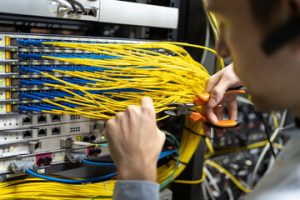
A primary reason regular electrical inspections are critical is the prevention of fire hazards. Faulty wiring, loose connections, and worn components are common causes of electrical fires. Over time, insulation on wires can degrade, connections can become loose due to thermal expansion and contraction, and circuits may become overloaded as more devices are added. Regular inspections allow licensed electricians to identify these vulnerabilities before they escalate into dangerous situations. By addressing issues early, property owners can dramatically reduce the risk of electrical fires, safeguarding both lives and property.
Electrical inspections also ensure that systems remain compliant with current safety standards and building codes. Electrical codes are regularly updated to reflect new safety requirements, emerging technologies, and lessons learned from past incidents. Properties with outdated or non-compliant wiring and panels may not only be unsafe but also at risk of failing insurance inspections or violating local regulations. A comprehensive inspection verifies that all components—outlets, circuit breakers, wiring, and grounding systems—meet the required standards. Compliance not only improves safety but also avoids legal or insurance complications that could arise in the event of an incident.
Another important benefit of regular inspections is the prevention of costly repairs and operational downtime. Electrical issues often begin subtly, with flickering lights, buzzing outlets, or intermittent appliance failures. Left unaddressed, these minor problems can escalate into major malfunctions, leading to equipment damage, system outages, or property damage. Scheduled inspections allow professionals to detect early warning signs and address them proactively, avoiding expensive emergency repairs. For businesses, this proactive approach can also prevent operational interruptions that affect productivity and revenue.
Several enumerated reasons highlight why electrical inspections are essential for safety:
- Identify Fire Hazards Early – Detect faulty wiring, loose connections, and overloaded circuits before they ignite.
- Ensure Code Compliance – Verify that electrical systems meet current safety standards and regulations.
- Prevent Equipment Damage – Catch issues before they lead to malfunction or damage to appliances and devices.
- Reduce Downtime – Minimize interruptions to business or household operations caused by electrical failures.
- Protect Occupants – Safeguard residents, employees, and visitors from shocks, burns, and other electrical hazards.
Regular inspections are especially important for older properties. Electrical systems in homes and businesses constructed decades ago were not designed to support modern energy demands. The proliferation of computers, smart devices, HVAC systems, and high-powered appliances places additional strain on wiring and panels that were once sufficient. Inspections help identify outdated components, undersized circuits, and inadequate grounding that could compromise safety. Upgrading electrical infrastructure as recommended during inspections ensures that systems can handle contemporary usage safely and efficiently.
Inspections also play a critical role in commercial properties where downtime can be particularly costly. Manufacturing plants, data centers, offices, and retail spaces rely heavily on consistent electrical supply to operate effectively. A sudden outage due to a short circuit, overloaded panel, or faulty wiring can disrupt productivity, damage inventory, and interrupt essential services. Regular inspections allow facility managers to detect vulnerabilities and implement preventive measures, such as redistributing loads, upgrading panels, or adding surge protection, which help maintain uninterrupted operations.
Technology has also enhanced the effectiveness of electrical inspections. Modern tools, such as thermal imaging cameras, circuit analyzers, and advanced meters, allow electricians to detect hidden issues like overheating connections, voltage irregularities, and hidden wiring faults. These technologies provide detailed insights into the health of an electrical system, enabling more precise diagnostics and targeted repairs. By incorporating these tools during routine inspections, property owners can address problems that might otherwise go unnoticed until they become critical.
Several practices enhance the effectiveness of electrical inspections:
- Schedule Regular, Annual Inspections – Even if no issues are apparent, annual checks identify hidden risks and ensure ongoing system integrity.
- Inspect Both Visible and Hidden Components – Outlets, switches, breakers, and wiring behind walls or ceilings should all be evaluated.
- Test Safety Systems – Verify that grounding, surge protection, GFCI outlets, and circuit breakers function properly.
- Document Findings and Recommendations – Maintain records for future reference, insurance purposes, and ongoing maintenance.
- Address Issues Promptly – Implement repair or upgrade recommendations without delay to prevent escalation.
Electrical inspections are also important when making property upgrades or renovations. Remodeling projects, such as adding new rooms, installing lighting fixtures, or upgrading HVAC systems, can place additional demands on an existing electrical system. Inspections prior to and following construction ensure that the system can safely accommodate new loads and that wiring modifications are performed correctly. This reduces the risk of post-renovation electrical failures, protects new equipment, and maintains overall property safety.
For property owners with multiple electrical systems or high-power equipment, preventive inspections are especially valuable. They allow professionals to evaluate load distribution, identify circuits at risk of overloading, and recommend solutions such as additional circuits, panel upgrades, or load-balancing strategies. In industrial or commercial settings, this proactive approach can prevent costly shutdowns and maintain compliance with workplace safety regulations.
Several indicators suggest that an electrical inspection is overdue or should be prioritized:
- Frequent Circuit Breaker Trips – Indicates potential overloading or faulty wiring.
- Flickering or Dimming Lights – May signal loose connections or voltage fluctuations.
- Buzzing Outlets or Switches – Can suggest overheating or deteriorated wiring.
- Burning Smells or Scorch Marks – Immediate warning signs of potential fire hazards.
- Outdated Panels or Wiring – Older systems may not support current energy demands safely.
Beyond safety and compliance, regular inspections can also improve energy efficiency. Faulty or inefficient wiring, poor grounding, and outdated components can increase energy consumption and lead to higher utility costs. By identifying and rectifying these issues, inspections contribute to both environmental sustainability and operational savings. Upgrades recommended during inspections, such as replacing old wiring or installing modern breakers, can enhance overall system performance and reduce wasteful energy use.
Communication with a licensed electrician is an essential part of the inspection process. Professionals should provide a detailed report outlining findings, potential risks, and recommended actions. Property owners benefit from understanding not only what needs repair but why, allowing them to make informed decisions about immediate fixes and long-term upgrades. Open communication ensures that expectations are clear and that safety priorities are addressed comprehensively.
Several best practices summarize why regular electrical inspections are essential:
- Prioritize Safety – Protect occupants and property from fires, shocks, and other electrical hazards.
- Maintain Compliance – Ensure systems meet current electrical codes and regulations.
- Prevent Costly Failures – Detect early signs of equipment or system issues before they escalate.
- Enhance Operational Continuity – Reduce the likelihood of unexpected outages in homes or businesses.
- Optimize Energy Use – Identify inefficient components and recommend upgrades to improve performance.
In conclusion, regular electrical inspections are a critical component of property safety, efficiency, and long-term reliability. They help identify fire hazards, ensure compliance with electrical codes, prevent costly repairs, and maintain operational continuity. Inspections are particularly important for older properties, high-demand commercial spaces, and properties undergoing renovations, as these conditions increase the likelihood of electrical problems. By scheduling routine inspections, addressing recommendations promptly, and working with licensed professionals, property owners can protect both occupants and investments. Ultimately, regular electrical inspections are not merely a precaution—they are a proactive strategy that ensures safety, reliability, and peace of mind for every property.