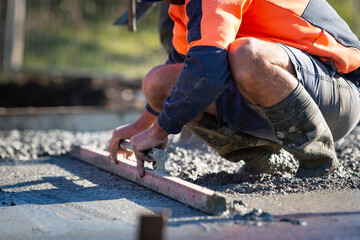
Effective project management is the backbone of any successful construction or renovation project. Whether improving a home or upgrading a business facility, the process requires careful planning, skilled coordination, and the ability to manage multiple moving parts without unnecessary delays. Comprehensive general contracting services play a crucial role in achieving these goals, offering property owners a streamlined and professional way to bring their visions to life. By managing every aspect of the project from start to finish, Greensboro NC General Contractors ensure smooth operations, high-quality craftsmanship, and long-lasting results that add value and functionality to a property.

At the core of comprehensive general contracting services is the ability to oversee an entire project through every stage of development. This includes conceptual planning, budgeting, hiring subcontractors, coordinating schedules, sourcing materials, ensuring safety compliance, and finalizing every detail. With a general contractor serving as the central point of contact, property owners enjoy a stress-free experience while all tasks are handled efficiently and professionally. This level of organization prevents miscommunication and minimizes errors, two issues that commonly derail construction projects when multiple parties work independently.
One of the major benefits of general contracting services is the streamlined communication they provide. Construction projects often require collaboration across a variety of trades, including carpentry, electrical work, plumbing, masonry, roofing, painting, and more. Instead of coordinating each professional individually, a general contractor manages the workflow and ensures that every team member understands their responsibilities. This eliminates confusion and provides property owners with a single source for updates, questions, and progress reports. Streamlined communication helps maintain momentum and prevents project delays, especially when unexpected challenges arise.
In addition to coordination, general contractors excel at efficient resource management. They handle the procurement of high-quality materials, tools, and equipment necessary for the job. Their industry experience allows them to identify which materials will perform best for specific applications, ensuring durability and longevity for the finished project. Furthermore, their established relationships with suppliers often allow them to access better pricing and faster delivery times. This contributes to improved cost efficiency and helps keep the project on schedule.
Project planning and budgeting are also essential components of comprehensive general contracting services. During the initial phase, contractors work closely with property owners to understand their goals, preferences, and budget constraints. They then prepare a detailed project plan outlining each step, timeline, and projected cost. This level of clarity empowers property owners to make informed decisions and helps prevent unexpected expenses. By identifying potential challenges early on, contractors can provide solutions that minimize disruption and maintain financial control throughout the construction or renovation process.
Quality control is another critical aspect that general contractors bring to every project. Their extensive knowledge of building codes, industry standards, and best practices ensures that all work is performed safely and correctly. By conducting regular inspections, contractors verify that each phase meets high-quality standards before progressing to the next step. This attention to detail not only enhances the overall durability and aesthetic of the project but also prevents costly repairs or rework down the line. When issues arise, experienced contractors address them promptly and professionally to maintain the project’s integrity.
General contractors also play an important role in optimizing workflow. They create and maintain project schedules to ensure that each trade specialist completes their tasks in the correct sequence. For example, structural work must be completed before interior finishing, and electrical systems must be installed before walls are sealed. By understanding these relationships and dependencies, general contractors minimize downtime and promote a seamless construction flow. This organization is essential for meeting deadlines and achieving efficient project management.
Safety compliance is equally important in any construction environment. Comprehensive general contracting services include the implementation of strict safety protocols to protect workers, property owners, and the surrounding environment. Contractors ensure that all team members follow proper safety procedures, use protective equipment, and maintain a clean and hazard-free worksite. Their commitment to safety reduces the likelihood of accidents and ensures that the project adheres to regulatory standards, offering peace of mind throughout the process.
For property owners seeking to improve their spaces, general contracting services extend to a wide range of construction and renovation applications. These include residential, commercial, and specialized projects that require custom layouts, structural modifications, and aesthetic enhancements. Common projects that benefit from professional contracting services include:
- Full home renovations, including kitchen and bathroom remodeling, structural repairs, and interior updates.
- Commercial improvements, such as office build-outs, retail upgrades, and facility maintenance projects.
Each of these projects demands a combination of technical expertise, creative insight, and precise execution. General contractors deliver these qualities consistently, making them an essential partner for property owners looking to enhance the functionality, comfort, and value of their spaces.
Another advantage of working with a general contractor is access to skilled subcontractors. Contractors typically maintain long-standing relationships with trusted tradespeople who excel in their respective fields. This ensures that each aspect of the project is handled by professionals with the necessary experience and certification. Property owners benefit from this network because it guarantees consistency in craftsmanship and ensures that all team members are held to the same high standards. Coordinating subcontractors independently can be challenging and time-consuming, making the contractor’s network a valuable asset.
Modern construction projects require more than basic building knowledge—they demand innovation, adaptability, and familiarity with the latest industry trends. Many expert general contractors integrate advanced technologies such as project management software, digital design tools, and modern measurement equipment. These tools help increase accuracy, improve communication, and streamline the decision-making process. Through technology, contractors can offer 3D renderings, detailed progress tracking, and real-time updates, allowing property owners to visualize and understand every stage of their project.
Environmental considerations are becoming increasingly relevant in construction decisions. Comprehensive general contracting services often include recommendations for sustainable materials, energy-efficient designs, and environmentally friendly building techniques. Contractors may suggest options such as eco-friendly insulation, low-energy lighting, efficient HVAC solutions, and durable exterior materials that reduce long-term maintenance. These enhancements not only support environmental goals but also improve cost savings over time by reducing utility expenses and extending the lifespan of building components.
Clear communication and transparency play a significant role in maintaining a positive working relationship throughout the project. Professional general contractors keep clients informed about progress, potential changes, and any issues that may require attention. They provide realistic expectations and maintain open communication channels, ensuring that property owners feel confident and supported. This reliability fosters trust and enhances the overall project experience.
Selecting the right general contractor is essential for achieving efficient project management and high-quality results. Property owners should look for professionals who demonstrate:
- Strong project coordination skills, ensuring that all tasks and trades align seamlessly.
- Proven experience in managing timelines and budgets, offering reliability and accountability throughout the project.
These qualities indicate that the contractor is capable of delivering comprehensive services that meet client expectations and support long-term property performance.
In addition to technical skills, professionalism is a key attribute that sets top general contractors apart. This includes punctuality, clear communication, respect for property, and commitment to delivering results on time. Contractors who value professionalism create a positive work environment and contribute to a smoother, more enjoyable project experience. Their dedication to client satisfaction ensures that each phase of construction aligns with the property owner’s vision.
Ultimately, comprehensive general contracting services provide a reliable, efficient, and stress-free solution for construction and renovation needs. By managing all aspects of the project, contractors allow property owners to focus on their daily responsibilities without worrying about the complexities of coordinating multiple tasks. The combination of skilled labor, detailed planning, and professional oversight creates a solid foundation for successful project outcomes.
In conclusion, comprehensive general contracting services are essential for efficient project management. They simplify complex construction processes, improve communication, maintain high-quality standards, and support long-term property value. Whether renovating a home, upgrading a commercial space, or building new structures, experienced general contractors offer the expertise, coordination, and professionalism needed to achieve outstanding results. Property owners who choose to partner with expert contractors gain peace of mind knowing their project is in capable hands from start to finish, ensuring that every detail is executed with precision and care.
Visit our Professional Services Blogs
Portland Metro Plumbers, Provantage Handyman, Santa Ana Flooring, Plumbing Heating Cooling New Jersey, Riverside Stump Grinding, Painter In Hanover, My Restoration Directory, Miami Dade Restoration Services, Update Construction, Campanelli Construction, Cruz Construction And Restoration , Airconditioning Round Rock, Air Dynamics Airconditioning And Heating, Gands Airconditioning And Heating, Windward Building Company LLC, Airconditioning Repairs Bocaraton, Laguna Airconditioning, Roofing 719, 3 Phase Construction NJ, Broadway Building Contractors, UIS Concrete And Demo, Austin Plumbers Near Me, Richmond Gutter Cleaning Company, Weather Defense Roofing Weather Proof Roofing, Ray Allen Plumbing, Raleigh Pressure Washing Painting , Fairfield County Septic, Carlson Craft Cabinets, Helping Hand Home Improvement, Delco Home Inspector, Window Cleaning Stafford