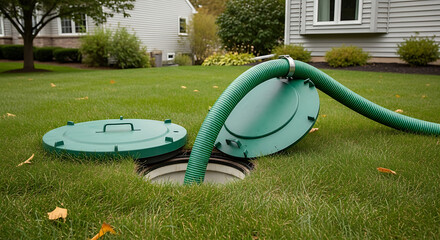
How Often Should a Septic Tank Be Pumped? Cost, Timing, and Maintenance Tips

Septic Tank services

When everything in a home is working properly, it is easy to forget about what happens beneath the ground. Wastewater quietly leaves sinks, showers, toilets, and appliances and eventually reaches the septic system. Most homeowners rarely think about the tank until unpleasant odors, slow drains, or backups suddenly appear. By that point, a neglected septic tank may already be struggling to handle the household’s wastewater. Understanding Septic Tank Pumping Fresno and knowing when it’s needed can help prevent messy problems and keep the entire system working properly.

A septic system is designed to manage wastewater on a continuous basis, but it is not maintenance free. Solid waste gradually accumulates inside the tank while liquids move through the treatment system. If too much solid material remains in the tank, it can interfere with normal operation and potentially reach areas where it should not go. Regular pumping removes accumulated sludge and helps maintain adequate space inside the tank. Proper care can also reduce the likelihood of unexpected backups and expensive septic system repairs.

How Often Should a Septic Tank Be Pumped?

The recommended pumping frequency depends on several factors, including household size, tank capacity, water usage, and the amount of solid waste produced. Many septic systems require pumping every few years, but there is no single schedule that works for every household. A smaller tank serving several people may fill with solids more quickly than a larger tank serving fewer occupants. Frequent use of garbage disposals can also increase the amount of solids entering the system. Because of these differences, the condition of the tank should be considered alongside a general maintenance schedule.

Households should also pay attention to changes in how the septic system operates. Slow drains, unpleasant odors, unusually wet areas near the drain field, and wastewater backups can indicate that the system needs attention. Waiting until a serious backup occurs is not a good maintenance strategy because the problem may already be advanced. Regular inspections can help determine how quickly solids are accumulating inside the tank. Establishing a consistent pumping routine based on actual household conditions can provide better protection than waiting for warning signs.

Why Is Septic Tank Pumping Important?

Septic tank pumping removes sludge and scum that naturally accumulate as wastewater moves through the tank. Heavy solids settle at the bottom while lighter materials form a layer near the surface. The liquid portion remains between these layers and continues through the wastewater treatment process. Over time, the solid layers become thicker and reduce the amount of space available for incoming wastewater. Pumping removes these accumulated materials and restores the tank’s usable capacity.

Neglecting pumping can allow solids to move beyond the tank and enter the drain field. When this happens, the soil responsible for treating wastewater can become clogged or overloaded. A damaged or overloaded drain field can be much more expensive to address than routine tank pumping. Regular maintenance therefore helps protect not only the tank but also the other components of the septic system. Keeping solids under control is one of the most important ways to support long-term septic performance.

What Happens During Septic Tank Pumping?

During a pumping service, trained professionals locate the septic tank and access the appropriate openings. Specialized equipment is then used to remove accumulated liquid, sludge, and floating solids from inside the tank. The process allows the interior of the tank to be emptied so its condition can be evaluated more effectively. Professionals may also look for signs of damage, unusual buildup, or other concerns while performing the service. The exact process can vary depending on the tank design and accessibility.

Pumping also provides an opportunity to identify problems before they become more serious. Cracks, damaged covers, corrosion, or unusual liquid levels may indicate issues that require additional attention. A professional can explain whether the tank appears to be functioning normally or whether further inspection is recommended. Homeowners should avoid attempting to enter a septic tank because the gases inside can be extremely dangerous. Proper pumping should always be performed with suitable equipment and appropriate safety procedures.

What Factors Affect Septic Tank Pumping Cost?

Several factors can influence the cost of septic tank pumping. The size of the tank is an important consideration because larger tanks generally require more time and equipment to service. Accessibility can also affect the work involved, particularly when the tank opening is difficult to locate or reach. The amount of accumulated material inside the tank may influence the time required for pumping as well. Additional services, such as inspection or cleaning, can also affect the overall cost.

The condition of the septic system can make a difference as well. A tank that has been maintained regularly may require a straightforward pumping service, while a neglected system may need additional attention. If the tank contains unusually heavy sludge buildup or other materials, the service may take longer. Homeowners should consider the long-term value of regular pumping rather than focusing only on the immediate expense. Preventive maintenance can help reduce the likelihood of larger repair bills caused by neglected septic systems.

What Are the Signs That a Septic Tank Needs Pumping?

One of the clearest signs of a septic problem is wastewater backing up into household fixtures. Toilets, sinks, showers, and other drains may begin operating slowly when the system cannot process wastewater efficiently. Gurgling sounds can also indicate that air and wastewater are struggling to move through the plumbing. Foul odors around drains or near the septic tank may signal that the system requires attention. These warning signs should not be ignored because they can indicate a developing or serious septic issue.

Changes around the drain field can provide additional clues. Unusually green or lush grass in one area, standing water, soggy soil, or persistent sewage odors may indicate that wastewater is not being treated or distributed properly. However, these symptoms do not always mean that pumping alone will solve the problem. A damaged component, blocked pipe, or failing drain field can create similar warning signs. Professional evaluation can determine whether the tank simply needs pumping or whether another part of the system requires repair.

How Can Homeowners Maintain a Septic System?

Good daily habits can reduce unnecessary stress on a septic system. Homeowners should be mindful of what enters household drains because many materials do not break down easily. Grease, cooking oils, harsh chemicals, wipes, paper products, and other inappropriate materials can contribute to plumbing or septic problems. Toilets should generally receive only suitable waste and toilet paper. Keeping unnecessary materials out of the wastewater system can help maintain more consistent operation.

Water conservation is another useful part of septic maintenance. Using excessive amounts of water within a short period can place additional pressure on the tank and drain field. Fixing leaking faucets, toilets, and pipes can prevent unnecessary water from entering the system. Spreading laundry and other high-water-use activities throughout the week can also help manage the wastewater load. Combined with regular inspections and pumping, responsible water use can support the long-term performance of a septic system.

Final Thoughts

Septic tank pumping is an important part of maintaining a healthy and functional wastewater system. Although pumping schedules vary depending on household conditions, regular service helps control the buildup of sludge and scum inside the tank. Recognizing warning signs such as slow drains, odors, backups, and wet areas can help homeowners respond before a minor concern becomes a major problem. Good maintenance habits, responsible water use, and professional inspections can further reduce unnecessary stress on the system. By treating septic tank care as routine maintenance rather than an emergency service, homeowners can protect their plumbing, drain field, and property for years to come.
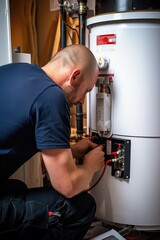

How Much Does Water Heater Repair Cost? Common Problems, Solutions, and What to Expect

Imagine stepping into the shower expecting warm, relaxing water, only to be hit with an icy stream. A water heater problem can quickly turn an ordinary morning into a frustrating experience. Whether the water isn’t heating properly, the tank is leaking, or the unit is making unusual sounds, these warning signs shouldn’t be ignored. A faulty water heater can affect comfort, increase energy use, and potentially cause water damage if the problem becomes severe. Understanding common water heater issues can help homeowners recognize when professional Water Heater Repair Castle Rock is needed.

Water heaters are essential appliances that work quietly in the background every day. Like other household equipment, they can eventually develop problems because of age, mineral buildup, worn components, corrosion, or regular use. Some issues may appear minor at first but can become more expensive when left unresolved. Learning how water heater repair works can make it easier to respond quickly when something goes wrong. Knowing the warning signs can also help homeowners make informed decisions about repair, maintenance, or replacement.

What Are the Most Common Water Heater Problems?

One of the most common water heater problems is a lack of hot water. This can happen for several reasons depending on the type of water heater installed. An electric unit may have a faulty heating element, while a gas unit could have an issue with its burner or ignition system. A malfunctioning thermostat can also prevent the water from reaching the desired temperature. When hot water disappears unexpectedly, identifying the underlying cause is important before attempting any repair.

Another frequent issue is inconsistent water temperature. Water may start hot but become cold quickly, or it may fluctuate between hot and lukewarm during use. Sediment accumulation inside the tank can reduce heating efficiency and limit the amount of usable hot water. Older components may also struggle to maintain consistent temperatures. Addressing these problems early can help restore reliable hot water and prevent additional strain on the system.

Why Is My Water Heater Leaking?

A leaking water heater should always receive prompt attention because even a small leak can eventually cause significant water damage. Leaks can develop around connections, valves, pipes, or the tank itself. Loose fittings may sometimes be corrected through a simple repair, but corrosion can indicate a more serious problem. If the tank has deteriorated from the inside, repairing the damaged area may not provide a long-term solution. In such cases, a professional inspection can determine whether repair or replacement is the more appropriate option.

The location and amount of water can provide useful clues about the source of a leak. Water around the top of the unit may suggest a problem with an inlet or outlet connection, while water near the bottom can indicate a drain valve or tank issue. A pressure relief valve can also release water when pressure or temperature becomes too high. Ignoring a leak can damage surrounding flooring, walls, or other household materials. Turning off the appropriate water and power or fuel supply when necessary can help reduce risks while waiting for professional assistance.

How Does Sediment Affect Water Heater Performance?

Sediment buildup is another common reason water heaters become less efficient over time. Minerals naturally found in water can settle at the bottom of a storage tank and create a layer between the water and the heating source. This forces the system to work harder to heat the water effectively. As efficiency decreases, homeowners may notice longer heating times or higher energy consumption. Regular maintenance can help control sediment buildup and support better performance.

Heavy sediment can also contribute to unusual noises coming from the water heater. Popping, cracking, rumbling, or banging sounds may occur as trapped water beneath the sediment heats up and escapes. These noises can be signs that the unit needs cleaning or professional attention. If sediment continues to accumulate, it can place additional stress on the heating components. Addressing buildup before it becomes severe can help extend the useful life of the water heater.

When Should You Repair or Replace a Water Heater?

Repair is often a practical option when the water heater has a limited component failure and the tank remains in good condition. Problems involving thermostats, heating elements, valves, or other replaceable components may be corrected without replacing the entire unit. The age and overall condition of the water heater should also be considered when deciding whether a repair makes financial sense. A newer unit with a minor problem may benefit significantly from a timely repair. Professional evaluation can help determine the most suitable approach.

Replacement may become more reasonable when a water heater is old, frequently breaking down, or experiencing serious tank corrosion. A damaged storage tank can be particularly concerning because the tank itself is not usually something that can be restored to like-new condition through a simple repair. Repeated repair expenses can also add up over time. Newer water heaters may offer improved efficiency and updated features that reduce operating costs. Comparing the cost of continued repairs with the expected lifespan and performance of a replacement can help homeowners make a sensible decision.

How Much Does Water Heater Repair Cost?

The cost of water heater repair can vary depending on the type of problem, the components involved, the unit’s condition, and the complexity of the work. A relatively simple issue may require only a minor part replacement and limited labor. More complicated problems can require additional diagnostic work and replacement components. The type of water heater can also affect the repair process because gas and electric systems use different components. For this reason, an inspection is usually necessary before an accurate repair estimate can be provided.

Homeowners should also consider the long-term cost rather than focusing only on the immediate repair price. A low-cost repair may be worthwhile if it restores a newer unit to reliable operation. However, repeatedly repairing an aging system may become less economical than investing in a replacement. Energy efficiency is another factor because an older unit may consume more energy than a newer model. Evaluating repair costs alongside age, efficiency, condition, and expected remaining lifespan can lead to a better financial decision.

How Can Regular Maintenance Prevent Water Heater Repairs?

Regular maintenance can reduce the likelihood of unexpected water heater problems. Checking connections, valves, temperature settings, and visible signs of corrosion can help identify potential concerns before they become major failures. Storage tank systems can also benefit from appropriate flushing to reduce sediment accumulation. Professional inspections can provide a more detailed assessment of components that may not be easy for homeowners to evaluate themselves. Consistent maintenance can improve reliability while helping the system operate more efficiently.

Maintenance is especially important as a water heater gets older. Components naturally experience wear from repeated heating cycles, water pressure, and everyday use. Small changes such as unusual sounds, slower heating, or minor leaks should not automatically be dismissed as normal aging. Taking action when these warning signs first appear may prevent more extensive damage later. A proactive approach can ultimately help protect household comfort and reduce the chance of an unexpected water heater failure.

Final Thoughts

Water heater repair can address many common problems, from inconsistent temperatures and faulty components to leaks and sediment buildup. Recognizing the warning signs early gives homeowners a better opportunity to prevent minor issues from becoming expensive emergencies. While some problems may involve straightforward component repairs, serious leaks, corrosion, or repeated failures may indicate that replacement is a better long-term choice. Professional evaluation is particularly valuable when the cause of a problem is unclear or when safety is involved. With proper maintenance and timely repairs, a water heater can provide dependable hot water while operating more efficiently for years to come.

What Areas of Your Home Are Most Vulnerable to Pests?

pest control

Pests rarely enter a home and settle in random locations. Most insects and rodents look for specific conditions that provide easy access to food, water, warmth, shelter, and protected places to reproduce. Kitchens may attract pests because of food and moisture, while basements, attics, garages, and crawl spaces can provide quiet hiding places that receive little daily attention. Even well-maintained homes can develop pest problems when small entry points or favorable conditions go unnoticed.

Understanding which areas of your home are most vulnerable to pests can help you focus prevention efforts where they are likely to make the greatest difference. Contact your local Pest Control Vero Beach expert for more details.

Why Are Kitchens Vulnerable to Pest Problems?

The kitchen is one of the most attractive areas of a home for many pests because it provides reliable access to food and water. Crumbs beneath appliances, spills inside cabinets, open food containers, pet food, and improperly stored garbage can attract ants, cockroaches, rodents, and other unwanted visitors. Even small amounts of food residue may be enough to support pest activity. Areas behind refrigerators and stoves are especially vulnerable because they are warm and rarely disturbed. Regular cleaning can help eliminate many of these attractive conditions.

Moisture makes kitchens even more appealing to certain pests. Slow plumbing leaks beneath sinks, condensation around pipes, and standing water near appliances can provide dependable water sources. Gaps around plumbing penetrations may also create convenient pathways through walls and cabinets. Homeowners should periodically inspect these hidden locations instead of focusing only on visible countertops and floors. Keeping food sealed and addressing moisture problems can significantly reduce pest pressure in the kitchen.

Why Do Bathrooms Attract Pests?

Bathrooms provide the damp conditions preferred by many insects. Water from showers, sinks, toilets, and plumbing lines can increase humidity, particularly when ventilation is inadequate. Cockroaches, silverfish, ants, and other pests may be attracted to areas where moisture remains consistently available. Leaking pipes behind vanities or toilets can make conditions even more favorable. Because some leaks remain hidden, pest activity can occasionally be an early clue that excess moisture exists.

Reducing bathroom pest problems requires controlling moisture as well as limiting access. Plumbing leaks should be repaired promptly, and ventilation should be used to help reduce persistent humidity. Gaps around pipes and other wall penetrations can also be inspected and sealed where appropriate. Cabinets beneath sinks should remain reasonably organized so signs of pest activity are easier to notice. A clean, dry bathroom provides fewer resources for pests seeking shelter.

Are Basements and Crawl Spaces Vulnerable to Pests?

Basements and crawl spaces can be particularly vulnerable because they often provide darkness, moisture, and limited human activity. Spiders, insects, mice, rats, and other pests may find these conditions ideal for hiding or nesting. Foundation cracks, gaps around utility lines, damaged vents, and openings around windows can provide direct access from outdoors. Stored boxes and clutter can create additional protected spaces. Infestations may remain unnoticed for long periods when these areas are rarely inspected.

Moisture control is especially important in basements and crawl spaces. Plumbing leaks, poor drainage, condensation, or water intrusion can create conditions that support pest activity. Cardboard and other stored materials may also provide shelter and, in some cases, nesting material. Regular inspection can reveal droppings, damaged belongings, webs, insect activity, or gnaw marks before the problem spreads. Improving storage and addressing entry points can make these areas much less inviting.

What Makes Attics Attractive to Pests?

Attics offer warmth, shelter, and relatively little disturbance, making them attractive to rodents and certain insects. Mice and other animals may enter through gaps around rooflines, vents, utility penetrations, or damaged exterior materials. Once inside, insulation and stored belongings can provide nesting areas. Because homeowners may visit the attic only occasionally, pest populations can sometimes become established before anyone notices. Scratching or movement overhead may be one of the first warning signs.

Pest activity in an attic can also lead to property damage. Rodents may gnaw on stored items, insulation, wood, and wiring, while insects may establish nests in protected areas. Droppings and nesting materials are additional signs that should be investigated. Exterior openings should be inspected carefully because very small gaps can provide access for certain pests. Maintaining the roofline and attic ventilation components helps strengthen the home’s defenses.

Why Are Garages Common Pest Entry Points?

Garages frequently connect outdoor conditions directly with the interior of the home. Large doors open regularly, and gaps around door edges can allow insects and rodents to enter even when the garage is closed. Garages are also commonly used to store pet food, birdseed, garbage, cardboard boxes, and other materials that may attract pests. Clutter provides numerous hiding places where activity can go unnoticed. These conditions make garages important areas for pest prevention.

The door connecting an attached garage to the home deserves particular attention. Pests that establish themselves in the garage may eventually move into kitchens, walls, basements, or other living areas. Weatherstripping and door sweeps should be maintained so unnecessary gaps are minimized. Food products and animal feed should be stored in secure containers rather than open bags. Keeping the garage organized makes pest activity easier to detect and removes potential shelter.

Can Laundry and Utility Rooms Attract Pests?

Laundry and utility rooms can provide many of the same conditions pests seek in bathrooms and kitchens. Washing machines, utility sinks, water heaters, drains, and plumbing connections create multiple potential moisture sources. Small leaks may remain unnoticed behind appliances or inside cabinets. Warm equipment can also create sheltered environments that attract certain pests. Regular inspection is important because these areas often contain numerous hidden spaces.

Dryer vents and utility penetrations can also become potential entry points when exterior covers or seals are damaged. Openings around pipes, cables, and ducts should be checked for gaps that connect indoor spaces with walls or the exterior. Lint, stored materials, and clutter should not be allowed to accumulate unnecessarily. Maintaining accessible, clean utility areas makes inspections easier. Moisture control and exclusion work together to reduce pest risks.

Are Bedrooms and Living Areas Safe From Pests?

Bedrooms and living rooms may appear less vulnerable because they usually contain fewer food and water sources. However, pests can still reach these spaces through walls, floors, furniture, luggage, windows, and nearby rooms. Bed bugs, for example, can be introduced through belongings rather than entering because of poor sanitation. Ants and rodents may also travel through living areas while searching for food. Pest prevention therefore needs to extend beyond kitchens and utility spaces.

Clutter can make pest detection more difficult in bedrooms and living spaces. Piles of clothing, cardboard boxes, and rarely moved furniture create sheltered areas where signs may remain hidden. Regular vacuuming and inspection around baseboards, furniture, and storage areas can make unusual activity easier to spot. Cracks around windows and doors should also be addressed. Clean, organized living areas improve visibility and reduce potential hiding places.

How Does the Exterior of Your Home Contribute to Pest Problems?

Many indoor infestations begin outside the building. Overgrown shrubs, tree branches touching the structure, accumulated leaves, standing water, and poorly managed garbage can attract pests close to exterior walls. Once pests are near the building, they may discover openings around doors, windows, foundations, vents, and utility lines. Exterior pest prevention is therefore an important part of protecting interior spaces. Creating separation between pest habitats and the building can reduce opportunities for entry.

Water management around the foundation is particularly important. Clogged drainage systems, leaking outdoor faucets, and areas where water collects can provide moisture that attracts insects and other pests. Firewood, construction materials, and other stored items should also be managed so they do not create unnecessary shelter immediately against the home. Exterior walls should be periodically inspected for cracks and gaps. Preventing pests from reaching the building is often easier than eliminating them after they move inside.

How Can You Protect Pest-Prone Areas of Your Home?

Effective pest prevention begins with removing the resources pests need. Food should be stored securely, spills and crumbs should be cleaned promptly, and garbage should be managed consistently. Plumbing leaks and standing water should be corrected so pests have fewer dependable moisture sources. Clutter should also be reduced in storage areas such as garages, basements, and attics. These basic maintenance habits can make the home considerably less attractive to pests.

Exclusion provides another layer of protection by physically limiting pest access. Damaged screens, worn weatherstripping, foundation cracks, gaps around utility penetrations, and other openings should be inspected and corrected appropriately. Homeowners should also monitor vulnerable areas for droppings, nests, gnaw marks, insect activity, or unusual odors. When signs continue despite preventive measures, a professional pest inspection can help identify hidden activity. Combining sanitation, moisture control, exclusion, and monitoring provides stronger long-term protection than relying on treatment alone.

Final Thoughts

The areas of your home most vulnerable to pests are usually those that provide food, water, shelter, or easy access from outdoors. Kitchens and bathrooms offer dependable resources, while basements, crawl spaces, attics, garages, and utility rooms provide quiet hiding places where infestations may remain unnoticed. Bedrooms and living areas can also experience pest problems, particularly when pests are transported inside or travel from other parts of the structure. Regular cleaning, moisture control, proper food storage, exterior maintenance, and sealing entry points can significantly reduce these risks. By paying extra attention to vulnerable areas and responding quickly to warning signs, homeowners can make their properties less inviting to insects and rodents and prevent small pest problems from becoming established infestations.

Comprehensive General Contracting Services for Efficient Project Management

Effective project management is the backbone of any successful construction or renovation project. Whether improving a home or upgrading a business facility, the process requires careful planning, skilled coordination, and the ability to manage multiple moving parts without unnecessary delays. Comprehensive general contracting services play a crucial role in achieving these goals, offering property owners a streamlined and professional way to bring their visions to life. By managing every aspect of the project from start to finish, Greensboro NC General Contractors ensure smooth operations, high-quality craftsmanship, and long-lasting results that add value and functionality to a property.

general contractors

At the core of comprehensive general contracting services is the ability to oversee an entire project through every stage of development. This includes conceptual planning, budgeting, hiring subcontractors, coordinating schedules, sourcing materials, ensuring safety compliance, and finalizing every detail. With a general contractor serving as the central point of contact, property owners enjoy a stress-free experience while all tasks are handled efficiently and professionally. This level of organization prevents miscommunication and minimizes errors, two issues that commonly derail construction projects when multiple parties work independently.

One of the major benefits of general contracting services is the streamlined communication they provide. Construction projects often require collaboration across a variety of trades, including carpentry, electrical work, plumbing, masonry, roofing, painting, and more. Instead of coordinating each professional individually, a general contractor manages the workflow and ensures that every team member understands their responsibilities. This eliminates confusion and provides property owners with a single source for updates, questions, and progress reports. Streamlined communication helps maintain momentum and prevents project delays, especially when unexpected challenges arise.

In addition to coordination, general contractors excel at efficient resource management. They handle the procurement of high-quality materials, tools, and equipment necessary for the job. Their industry experience allows them to identify which materials will perform best for specific applications, ensuring durability and longevity for the finished project. Furthermore, their established relationships with suppliers often allow them to access better pricing and faster delivery times. This contributes to improved cost efficiency and helps keep the project on schedule.

Project planning and budgeting are also essential components of comprehensive general contracting services. During the initial phase, contractors work closely with property owners to understand their goals, preferences, and budget constraints. They then prepare a detailed project plan outlining each step, timeline, and projected cost. This level of clarity empowers property owners to make informed decisions and helps prevent unexpected expenses. By identifying potential challenges early on, contractors can provide solutions that minimize disruption and maintain financial control throughout the construction or renovation process.

Quality control is another critical aspect that general contractors bring to every project. Their extensive knowledge of building codes, industry standards, and best practices ensures that all work is performed safely and correctly. By conducting regular inspections, contractors verify that each phase meets high-quality standards before progressing to the next step. This attention to detail not only enhances the overall durability and aesthetic of the project but also prevents costly repairs or rework down the line. When issues arise, experienced contractors address them promptly and professionally to maintain the project’s integrity.

General contractors also play an important role in optimizing workflow. They create and maintain project schedules to ensure that each trade specialist completes their tasks in the correct sequence. For example, structural work must be completed before interior finishing, and electrical systems must be installed before walls are sealed. By understanding these relationships and dependencies, general contractors minimize downtime and promote a seamless construction flow. This organization is essential for meeting deadlines and achieving efficient project management.

Safety compliance is equally important in any construction environment. Comprehensive general contracting services include the implementation of strict safety protocols to protect workers, property owners, and the surrounding environment. Contractors ensure that all team members follow proper safety procedures, use protective equipment, and maintain a clean and hazard-free worksite. Their commitment to safety reduces the likelihood of accidents and ensures that the project adheres to regulatory standards, offering peace of mind throughout the process.

For property owners seeking to improve their spaces, general contracting services extend to a wide range of construction and renovation applications. These include residential, commercial, and specialized projects that require custom layouts, structural modifications, and aesthetic enhancements. Common projects that benefit from professional contracting services include:

  1. Full home renovations, including kitchen and bathroom remodeling, structural repairs, and interior updates.
  2. Commercial improvements, such as office build-outs, retail upgrades, and facility maintenance projects.

Each of these projects demands a combination of technical expertise, creative insight, and precise execution. General contractors deliver these qualities consistently, making them an essential partner for property owners looking to enhance the functionality, comfort, and value of their spaces.

Another advantage of working with a general contractor is access to skilled subcontractors. Contractors typically maintain long-standing relationships with trusted tradespeople who excel in their respective fields. This ensures that each aspect of the project is handled by professionals with the necessary experience and certification. Property owners benefit from this network because it guarantees consistency in craftsmanship and ensures that all team members are held to the same high standards. Coordinating subcontractors independently can be challenging and time-consuming, making the contractor’s network a valuable asset.

Modern construction projects require more than basic building knowledge—they demand innovation, adaptability, and familiarity with the latest industry trends. Many expert general contractors integrate advanced technologies such as project management software, digital design tools, and modern measurement equipment. These tools help increase accuracy, improve communication, and streamline the decision-making process. Through technology, contractors can offer 3D renderings, detailed progress tracking, and real-time updates, allowing property owners to visualize and understand every stage of their project.

Environmental considerations are becoming increasingly relevant in construction decisions. Comprehensive general contracting services often include recommendations for sustainable materials, energy-efficient designs, and environmentally friendly building techniques. Contractors may suggest options such as eco-friendly insulation, low-energy lighting, efficient HVAC solutions, and durable exterior materials that reduce long-term maintenance. These enhancements not only support environmental goals but also improve cost savings over time by reducing utility expenses and extending the lifespan of building components.

Clear communication and transparency play a significant role in maintaining a positive working relationship throughout the project. Professional general contractors keep clients informed about progress, potential changes, and any issues that may require attention. They provide realistic expectations and maintain open communication channels, ensuring that property owners feel confident and supported. This reliability fosters trust and enhances the overall project experience.

Selecting the right general contractor is essential for achieving efficient project management and high-quality results. Property owners should look for professionals who demonstrate:

  1. Strong project coordination skills, ensuring that all tasks and trades align seamlessly.
  2. Proven experience in managing timelines and budgets, offering reliability and accountability throughout the project.

These qualities indicate that the contractor is capable of delivering comprehensive services that meet client expectations and support long-term property performance.

In addition to technical skills, professionalism is a key attribute that sets top general contractors apart. This includes punctuality, clear communication, respect for property, and commitment to delivering results on time. Contractors who value professionalism create a positive work environment and contribute to a smoother, more enjoyable project experience. Their dedication to client satisfaction ensures that each phase of construction aligns with the property owner’s vision.

Ultimately, comprehensive general contracting services provide a reliable, efficient, and stress-free solution for construction and renovation needs. By managing all aspects of the project, contractors allow property owners to focus on their daily responsibilities without worrying about the complexities of coordinating multiple tasks. The combination of skilled labor, detailed planning, and professional oversight creates a solid foundation for successful project outcomes.

In conclusion, comprehensive general contracting services are essential for efficient project management. They simplify complex construction processes, improve communication, maintain high-quality standards, and support long-term property value. Whether renovating a home, upgrading a commercial space, or building new structures, experienced general contractors offer the expertise, coordination, and professionalism needed to achieve outstanding results. Property owners who choose to partner with expert contractors gain peace of mind knowing their project is in capable hands from start to finish, ensuring that every detail is executed with precision and care.

Visit our Professional Services Blogs

Portland Metro Plumbers, Provantage Handyman, Santa Ana Flooring, Plumbing Heating Cooling New Jersey, Riverside Stump Grinding, Painter In Hanover, My Restoration Directory, Miami Dade Restoration Services, Update Construction, Campanelli Construction, Cruz Construction And Restoration , Airconditioning Round Rock, Air Dynamics Airconditioning And Heating, Gands Airconditioning And Heating, Windward Building Company LLC, Airconditioning Repairs Bocaraton, Laguna Airconditioning, Roofing 719, 3 Phase Construction NJ, Broadway Building Contractors, UIS Concrete And Demo, Austin Plumbers Near Me, Richmond Gutter Cleaning Company, Weather Defense Roofing Weather Proof Roofing, Ray Allen Plumbing, Raleigh Pressure Washing Painting , Fairfield County Septic, Carlson Craft Cabinets, Helping Hand Home Improvement, Delco Home InspectorWindow Cleaning Stafford 

How Decorative Concrete Can Boost Your Home?s Curb Appeal

https://decorativeconcretesolutions.biz/

In many cases, a beautifully-designed concrete driveway or patio can increase the value of your home. It can also improve the accessibility of your property and provide a safe path for family members and guests to move around.

Decorative concrete has become an increasingly popular way to transform outdoor spaces. Visit https://decorativeconcretesolutions.biz/ for more details.

It’s Versatile

Concrete is a highly versatile material. When used properly, it provides structural function to buildings while enhancing aesthetics in walkways, patios, driveways and walls. Its versatility shines through a multitude of color and texture options, including earth-toned stains that mimic Texas limestone or patterns that emulate brick for rustic style. Its durability withstands freeze-thaw cycles and heavy traffic, lasting for decades with minimal maintenance. Its design flexibility includes the ability to create unique shapes, sizes and textures with stamping and carving techniques as well as slip-resistant surfaces for a safe outdoor experience.

Whether you are installing a new patio, resurfacing your front sidewalk, or updating your garage floor, decorative concrete is an affordable option that can boost your home?s curb appeal and add value for years to come. By hiring a contractor with expertise in the many styles of concrete and finish options available, you can avoid costly mistakes that might detract from the beauty of your new investment.

Driveways are a key feature of the exterior of any house and often make the first impression on guests. A dingy, cracked concrete driveway can diminish the overall look of a property and leave visitors with an unfavorable first impression. In contrast, a new concrete driveway with a distinctive pattern and color can improve the look of a house while adding resale value.

Concrete is also an ideal flooring option in the laundry room, garage, kitchen, and living room. Its natural gray color complements any design scheme and it does not absorb odors or moisture like carpet, making it the perfect flooring choice for these rooms. It also resists stains and is easy to clean.

Decorative concrete can be added to existing concrete or poured in place to create the desired style. It can also be stained or etched to achieve the desired appearance. It can be textured to add grip, which is important in areas of high foot traffic or wet conditions. Using slip-resistant textures or sealants is an easy way to upgrade any concrete surface to prevent accidents and injuries.

It’s Durable

Concrete is one of the most durable materials around. When treated properly, it can last for decades and retain its integrity and attractiveness over the years. This durability makes decorative concrete an excellent choice for projects in areas with heavy foot and vehicular traffic, such as driveways, patios, pool decks and more. It also holds up to weather extremes, including harsh winds and precipitation, much more effectively than other materials like wood.

Often, when it comes to decorating and coloring concrete, people assume that they are trading off strength for style. However, a new concrete surface made using decorative techniques is usually as strong as the original concrete, or even stronger when reinforced with additives like steel fibers and high-grade aggregates.

With so many options for color and texture, it is easy to create a unique, beautiful look with decorative concrete. The possibilities are endless and include acid staining, water-based stains, concrete dyes and integral colors (color mixed into the concrete during the mixing process). Decorative concrete can be used to create textures and patterns that complement various architectural styles as well. For example, exposed aggregate concrete is perfect for rustic or farmhouse-style homes and stamped concrete that is colored to resemble stone works well with ranch or country-style properties.

In addition, a quality sealer can help protect the surface of decorative concrete from wear and tear, making it resistant to oil and chemical stains. Sealers can be applied as a penetrating or film-forming coating. Acrylic sealers tend to act as a surface barrier, while epoxy and polyurethane sealers are more effective at forming a deep protective layer that can withstand severe weather conditions.

A well-designed concrete patio, sidewalk or front stoop can make your home stand out in the neighborhood and boost its resale value. Upgrading your concrete with one of these stylish ideas can be a low-cost and long-lasting investment that will instantly elevate your home?s curb appeal. When a prospective buyer walks up to your house, you want their first impression to be a positive one. Upgrading your concrete with these decorative concrete ideas will ensure that happens.

It’s Affordable

A well-maintained decorative concrete driveway, walkway, or entryway will set your home apart and boost its resale value. In fact, a real estate site recently reported that homes with attractive exteriors sell for more than those that have a rundown look. A new or resurfaced concrete driveway, sidewalk, or entryway can cost less than asphalt, yet provide an impressive curb appeal that instantly draws attention to your property.

Budget-friendly concrete upgrades include decorative stamping, etching, and staining. Staining is especially cost-effective because it provides rich color tones ranging from subtle earth tones to bold hues. When choosing a stain, look for colors that complement your home?s paint, as well as the surrounding landscape and neighborhood architecture. Water-based stains are more affordable than acrylic or vinyl coatings, but may require touch-ups over time.

New planting beds and landscaping can make a big impact on your home?s appearance. Choose a palette of colors that complement the existing color scheme of your house, and plant colorful shrubs or perennial flowers around your mailbox and driveway for curb appeal on a shoestring.

Walkways and steps that are cracked or outdated create a poor first impression and can be a safety hazard for visitors. Transform these features with a stylish, durable decorative concrete design that will enhance the beauty of your property and improve its functionality.

A new trellis or arbor can be an elegant backdrop for blooming vines, and it will help you save on expensive flower or vegetable garden fencing. Decorative fence panels are also inexpensive, and available in prefabricated sections that are easy to assemble.

Address numbers, mailboxes, and locksets are small upgrades that can make a big difference in your home?s overall appearance. When selecting finishes, choose those that complement the colors already used on your home, and keep the number of pieces to a minimum to avoid a cluttered look.

Adding curb appeal to your property can be as simple as a fresh coat of paint on your doors or trim, or as complex as a decorative concrete driveway or patio. By carefully planning and executing your project, you can achieve beautiful results that will last for years to come. By taking the time to test your stains or colors and work efficiently, you can complete many of these projects in one day or weekend, while saving money on costly fixes later on.

It’s Easy to Maintain

The beauty of decorative concrete extends to outdoor surfaces like patios, walkways, and front stoops. The best way to keep these upgrades looking fresh is with regular maintenance that includes cleaning, sweeping, dust mopping, and, if needed, waxing or resealing. Choose a cleaning product that is appropriate for your type of concrete surface and follow the manufacturer?s instructions for best results. A clear sealer is recommended for high-traffic areas to protect the concrete from the elements and make it easier to clean.

Upgrading a plain concrete walkway with a new stamped or stained pattern is an affordable curb appeal idea. It also adds value to your home. But be sure to review color, pattern, and texture choices that complement your architecture and landscape style. If you opt for a walkway design that does not suit the architectural character of your home, it may detract rather than enhance its appearance.

Adding brick pavers to a stoops or front entryway gives your home a classic look and adds texture to your landscaping. If you prefer a cleaner, more modern aesthetic, consider a stamped concrete path that mimics slate. These types of textures and colors are a great complement to contemporary homes.

A freshly painted porch floor or front stoop is another low-cost upgrade that is easily maintainable and adds curb appeal to your home. Be sure to use weather-resistant paint rated for exterior use. Choose a color that complements your siding, trim, and door color to ensure the finish will stand up well to rain and sun.

Address numbers, entry door locksets, and wall-mounted mailboxes are small curb appeal ideas that can make a big impact. They work best when they are cohesive, with matching finishes that convey a sense of consistency and sophistication.

A trellis can elevate your garden by offering support for flowering vines and providing shape to the area around your house. You can even train a plant to grow up the side of a garage or shed for a beautiful living wall.