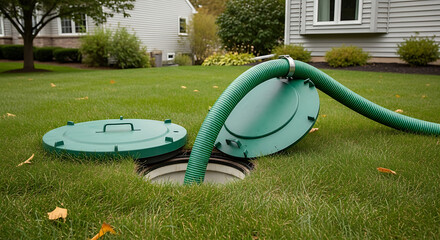
When everything in a home is working properly, it is easy to forget about what happens beneath the ground. Wastewater quietly leaves sinks, showers, toilets, and appliances and eventually reaches the septic system. Most homeowners rarely think about the tank until unpleasant odors, slow drains, or backups suddenly appear. By that point, a neglected septic tank may already be struggling to handle the household’s wastewater. Understanding Septic Tank Pumping Fresno and knowing when it’s needed can help prevent messy problems and keep the entire system working properly.
A septic system is designed to manage wastewater on a continuous basis, but it is not maintenance free. Solid waste gradually accumulates inside the tank while liquids move through the treatment system. If too much solid material remains in the tank, it can interfere with normal operation and potentially reach areas where it should not go. Regular pumping removes accumulated sludge and helps maintain adequate space inside the tank. Proper care can also reduce the likelihood of unexpected backups and expensive septic system repairs.
How Often Should a Septic Tank Be Pumped?
The recommended pumping frequency depends on several factors, including household size, tank capacity, water usage, and the amount of solid waste produced. Many septic systems require pumping every few years, but there is no single schedule that works for every household. A smaller tank serving several people may fill with solids more quickly than a larger tank serving fewer occupants. Frequent use of garbage disposals can also increase the amount of solids entering the system. Because of these differences, the condition of the tank should be considered alongside a general maintenance schedule.
Households should also pay attention to changes in how the septic system operates. Slow drains, unpleasant odors, unusually wet areas near the drain field, and wastewater backups can indicate that the system needs attention. Waiting until a serious backup occurs is not a good maintenance strategy because the problem may already be advanced. Regular inspections can help determine how quickly solids are accumulating inside the tank. Establishing a consistent pumping routine based on actual household conditions can provide better protection than waiting for warning signs.
Why Is Septic Tank Pumping Important?
Septic tank pumping removes sludge and scum that naturally accumulate as wastewater moves through the tank. Heavy solids settle at the bottom while lighter materials form a layer near the surface. The liquid portion remains between these layers and continues through the wastewater treatment process. Over time, the solid layers become thicker and reduce the amount of space available for incoming wastewater. Pumping removes these accumulated materials and restores the tank’s usable capacity.
Neglecting pumping can allow solids to move beyond the tank and enter the drain field. When this happens, the soil responsible for treating wastewater can become clogged or overloaded. A damaged or overloaded drain field can be much more expensive to address than routine tank pumping. Regular maintenance therefore helps protect not only the tank but also the other components of the septic system. Keeping solids under control is one of the most important ways to support long-term septic performance.
What Happens During Septic Tank Pumping?
During a pumping service, trained professionals locate the septic tank and access the appropriate openings. Specialized equipment is then used to remove accumulated liquid, sludge, and floating solids from inside the tank. The process allows the interior of the tank to be emptied so its condition can be evaluated more effectively. Professionals may also look for signs of damage, unusual buildup, or other concerns while performing the service. The exact process can vary depending on the tank design and accessibility.
Pumping also provides an opportunity to identify problems before they become more serious. Cracks, damaged covers, corrosion, or unusual liquid levels may indicate issues that require additional attention. A professional can explain whether the tank appears to be functioning normally or whether further inspection is recommended. Homeowners should avoid attempting to enter a septic tank because the gases inside can be extremely dangerous. Proper pumping should always be performed with suitable equipment and appropriate safety procedures.
What Factors Affect Septic Tank Pumping Cost?
Several factors can influence the cost of septic tank pumping. The size of the tank is an important consideration because larger tanks generally require more time and equipment to service. Accessibility can also affect the work involved, particularly when the tank opening is difficult to locate or reach. The amount of accumulated material inside the tank may influence the time required for pumping as well. Additional services, such as inspection or cleaning, can also affect the overall cost.
The condition of the septic system can make a difference as well. A tank that has been maintained regularly may require a straightforward pumping service, while a neglected system may need additional attention. If the tank contains unusually heavy sludge buildup or other materials, the service may take longer. Homeowners should consider the long-term value of regular pumping rather than focusing only on the immediate expense. Preventive maintenance can help reduce the likelihood of larger repair bills caused by neglected septic systems.
What Are the Signs That a Septic Tank Needs Pumping?
One of the clearest signs of a septic problem is wastewater backing up into household fixtures. Toilets, sinks, showers, and other drains may begin operating slowly when the system cannot process wastewater efficiently. Gurgling sounds can also indicate that air and wastewater are struggling to move through the plumbing. Foul odors around drains or near the septic tank may signal that the system requires attention. These warning signs should not be ignored because they can indicate a developing or serious septic issue.
Changes around the drain field can provide additional clues. Unusually green or lush grass in one area, standing water, soggy soil, or persistent sewage odors may indicate that wastewater is not being treated or distributed properly. However, these symptoms do not always mean that pumping alone will solve the problem. A damaged component, blocked pipe, or failing drain field can create similar warning signs. Professional evaluation can determine whether the tank simply needs pumping or whether another part of the system requires repair.
How Can Homeowners Maintain a Septic System?
Good daily habits can reduce unnecessary stress on a septic system. Homeowners should be mindful of what enters household drains because many materials do not break down easily. Grease, cooking oils, harsh chemicals, wipes, paper products, and other inappropriate materials can contribute to plumbing or septic problems. Toilets should generally receive only suitable waste and toilet paper. Keeping unnecessary materials out of the wastewater system can help maintain more consistent operation.
Water conservation is another useful part of septic maintenance. Using excessive amounts of water within a short period can place additional pressure on the tank and drain field. Fixing leaking faucets, toilets, and pipes can prevent unnecessary water from entering the system. Spreading laundry and other high-water-use activities throughout the week can also help manage the wastewater load. Combined with regular inspections and pumping, responsible water use can support the long-term performance of a septic system.
Final Thoughts
Septic tank pumping is an important part of maintaining a healthy and functional wastewater system. Although pumping schedules vary depending on household conditions, regular service helps control the buildup of sludge and scum inside the tank. Recognizing warning signs such as slow drains, odors, backups, and wet areas can help homeowners respond before a minor concern becomes a major problem. Good maintenance habits, responsible water use, and professional inspections can further reduce unnecessary stress on the system. By treating septic tank care as routine maintenance rather than an emergency service, homeowners can protect their plumbing, drain field, and property for years to come.