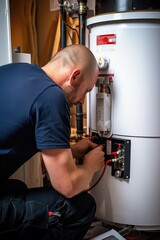
Imagine stepping into the shower expecting warm, relaxing water, only to be hit with an icy stream. A water heater problem can quickly turn an ordinary morning into a frustrating experience. Whether the water isn’t heating properly, the tank is leaking, or the unit is making unusual sounds, these warning signs shouldn’t be ignored. A faulty water heater can affect comfort, increase energy use, and potentially cause water damage if the problem becomes severe. Understanding common water heater issues can help homeowners recognize when professional Water Heater Repair Castle Rock is needed.
Water heaters are essential appliances that work quietly in the background every day. Like other household equipment, they can eventually develop problems because of age, mineral buildup, worn components, corrosion, or regular use. Some issues may appear minor at first but can become more expensive when left unresolved. Learning how water heater repair works can make it easier to respond quickly when something goes wrong. Knowing the warning signs can also help homeowners make informed decisions about repair, maintenance, or replacement.
What Are the Most Common Water Heater Problems?
One of the most common water heater problems is a lack of hot water. This can happen for several reasons depending on the type of water heater installed. An electric unit may have a faulty heating element, while a gas unit could have an issue with its burner or ignition system. A malfunctioning thermostat can also prevent the water from reaching the desired temperature. When hot water disappears unexpectedly, identifying the underlying cause is important before attempting any repair.
Another frequent issue is inconsistent water temperature. Water may start hot but become cold quickly, or it may fluctuate between hot and lukewarm during use. Sediment accumulation inside the tank can reduce heating efficiency and limit the amount of usable hot water. Older components may also struggle to maintain consistent temperatures. Addressing these problems early can help restore reliable hot water and prevent additional strain on the system.
Why Is My Water Heater Leaking?
A leaking water heater should always receive prompt attention because even a small leak can eventually cause significant water damage. Leaks can develop around connections, valves, pipes, or the tank itself. Loose fittings may sometimes be corrected through a simple repair, but corrosion can indicate a more serious problem. If the tank has deteriorated from the inside, repairing the damaged area may not provide a long-term solution. In such cases, a professional inspection can determine whether repair or replacement is the more appropriate option.
The location and amount of water can provide useful clues about the source of a leak. Water around the top of the unit may suggest a problem with an inlet or outlet connection, while water near the bottom can indicate a drain valve or tank issue. A pressure relief valve can also release water when pressure or temperature becomes too high. Ignoring a leak can damage surrounding flooring, walls, or other household materials. Turning off the appropriate water and power or fuel supply when necessary can help reduce risks while waiting for professional assistance.
How Does Sediment Affect Water Heater Performance?
Sediment buildup is another common reason water heaters become less efficient over time. Minerals naturally found in water can settle at the bottom of a storage tank and create a layer between the water and the heating source. This forces the system to work harder to heat the water effectively. As efficiency decreases, homeowners may notice longer heating times or higher energy consumption. Regular maintenance can help control sediment buildup and support better performance.
Heavy sediment can also contribute to unusual noises coming from the water heater. Popping, cracking, rumbling, or banging sounds may occur as trapped water beneath the sediment heats up and escapes. These noises can be signs that the unit needs cleaning or professional attention. If sediment continues to accumulate, it can place additional stress on the heating components. Addressing buildup before it becomes severe can help extend the useful life of the water heater.
When Should You Repair or Replace a Water Heater?
Repair is often a practical option when the water heater has a limited component failure and the tank remains in good condition. Problems involving thermostats, heating elements, valves, or other replaceable components may be corrected without replacing the entire unit. The age and overall condition of the water heater should also be considered when deciding whether a repair makes financial sense. A newer unit with a minor problem may benefit significantly from a timely repair. Professional evaluation can help determine the most suitable approach.
Replacement may become more reasonable when a water heater is old, frequently breaking down, or experiencing serious tank corrosion. A damaged storage tank can be particularly concerning because the tank itself is not usually something that can be restored to like-new condition through a simple repair. Repeated repair expenses can also add up over time. Newer water heaters may offer improved efficiency and updated features that reduce operating costs. Comparing the cost of continued repairs with the expected lifespan and performance of a replacement can help homeowners make a sensible decision.
How Much Does Water Heater Repair Cost?
The cost of water heater repair can vary depending on the type of problem, the components involved, the unit’s condition, and the complexity of the work. A relatively simple issue may require only a minor part replacement and limited labor. More complicated problems can require additional diagnostic work and replacement components. The type of water heater can also affect the repair process because gas and electric systems use different components. For this reason, an inspection is usually necessary before an accurate repair estimate can be provided.
Homeowners should also consider the long-term cost rather than focusing only on the immediate repair price. A low-cost repair may be worthwhile if it restores a newer unit to reliable operation. However, repeatedly repairing an aging system may become less economical than investing in a replacement. Energy efficiency is another factor because an older unit may consume more energy than a newer model. Evaluating repair costs alongside age, efficiency, condition, and expected remaining lifespan can lead to a better financial decision.
How Can Regular Maintenance Prevent Water Heater Repairs?
Regular maintenance can reduce the likelihood of unexpected water heater problems. Checking connections, valves, temperature settings, and visible signs of corrosion can help identify potential concerns before they become major failures. Storage tank systems can also benefit from appropriate flushing to reduce sediment accumulation. Professional inspections can provide a more detailed assessment of components that may not be easy for homeowners to evaluate themselves. Consistent maintenance can improve reliability while helping the system operate more efficiently.
Maintenance is especially important as a water heater gets older. Components naturally experience wear from repeated heating cycles, water pressure, and everyday use. Small changes such as unusual sounds, slower heating, or minor leaks should not automatically be dismissed as normal aging. Taking action when these warning signs first appear may prevent more extensive damage later. A proactive approach can ultimately help protect household comfort and reduce the chance of an unexpected water heater failure.
Final Thoughts
Water heater repair can address many common problems, from inconsistent temperatures and faulty components to leaks and sediment buildup. Recognizing the warning signs early gives homeowners a better opportunity to prevent minor issues from becoming expensive emergencies. While some problems may involve straightforward component repairs, serious leaks, corrosion, or repeated failures may indicate that replacement is a better long-term choice. Professional evaluation is particularly valuable when the cause of a problem is unclear or when safety is involved. With proper maintenance and timely repairs, a water heater can provide dependable hot water while operating more efficiently for years to come.