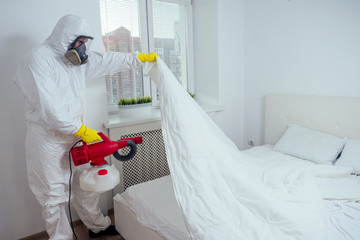
Pests rarely enter a home and settle in random locations. Most insects and rodents look for specific conditions that provide easy access to food, water, warmth, shelter, and protected places to reproduce. Kitchens may attract pests because of food and moisture, while basements, attics, garages, and crawl spaces can provide quiet hiding places that receive little daily attention. Even well-maintained homes can develop pest problems when small entry points or favorable conditions go unnoticed.
Understanding which areas of your home are most vulnerable to pests can help you focus prevention efforts where they are likely to make the greatest difference. Contact your local Pest Control Vero Beach expert for more details.
Why Are Kitchens Vulnerable to Pest Problems?
The kitchen is one of the most attractive areas of a home for many pests because it provides reliable access to food and water. Crumbs beneath appliances, spills inside cabinets, open food containers, pet food, and improperly stored garbage can attract ants, cockroaches, rodents, and other unwanted visitors. Even small amounts of food residue may be enough to support pest activity. Areas behind refrigerators and stoves are especially vulnerable because they are warm and rarely disturbed. Regular cleaning can help eliminate many of these attractive conditions.
Moisture makes kitchens even more appealing to certain pests. Slow plumbing leaks beneath sinks, condensation around pipes, and standing water near appliances can provide dependable water sources. Gaps around plumbing penetrations may also create convenient pathways through walls and cabinets. Homeowners should periodically inspect these hidden locations instead of focusing only on visible countertops and floors. Keeping food sealed and addressing moisture problems can significantly reduce pest pressure in the kitchen.
Why Do Bathrooms Attract Pests?
Bathrooms provide the damp conditions preferred by many insects. Water from showers, sinks, toilets, and plumbing lines can increase humidity, particularly when ventilation is inadequate. Cockroaches, silverfish, ants, and other pests may be attracted to areas where moisture remains consistently available. Leaking pipes behind vanities or toilets can make conditions even more favorable. Because some leaks remain hidden, pest activity can occasionally be an early clue that excess moisture exists.
Reducing bathroom pest problems requires controlling moisture as well as limiting access. Plumbing leaks should be repaired promptly, and ventilation should be used to help reduce persistent humidity. Gaps around pipes and other wall penetrations can also be inspected and sealed where appropriate. Cabinets beneath sinks should remain reasonably organized so signs of pest activity are easier to notice. A clean, dry bathroom provides fewer resources for pests seeking shelter.
Are Basements and Crawl Spaces Vulnerable to Pests?
Basements and crawl spaces can be particularly vulnerable because they often provide darkness, moisture, and limited human activity. Spiders, insects, mice, rats, and other pests may find these conditions ideal for hiding or nesting. Foundation cracks, gaps around utility lines, damaged vents, and openings around windows can provide direct access from outdoors. Stored boxes and clutter can create additional protected spaces. Infestations may remain unnoticed for long periods when these areas are rarely inspected.
Moisture control is especially important in basements and crawl spaces. Plumbing leaks, poor drainage, condensation, or water intrusion can create conditions that support pest activity. Cardboard and other stored materials may also provide shelter and, in some cases, nesting material. Regular inspection can reveal droppings, damaged belongings, webs, insect activity, or gnaw marks before the problem spreads. Improving storage and addressing entry points can make these areas much less inviting.
What Makes Attics Attractive to Pests?
Attics offer warmth, shelter, and relatively little disturbance, making them attractive to rodents and certain insects. Mice and other animals may enter through gaps around rooflines, vents, utility penetrations, or damaged exterior materials. Once inside, insulation and stored belongings can provide nesting areas. Because homeowners may visit the attic only occasionally, pest populations can sometimes become established before anyone notices. Scratching or movement overhead may be one of the first warning signs.
Pest activity in an attic can also lead to property damage. Rodents may gnaw on stored items, insulation, wood, and wiring, while insects may establish nests in protected areas. Droppings and nesting materials are additional signs that should be investigated. Exterior openings should be inspected carefully because very small gaps can provide access for certain pests. Maintaining the roofline and attic ventilation components helps strengthen the home’s defenses.
Why Are Garages Common Pest Entry Points?
Garages frequently connect outdoor conditions directly with the interior of the home. Large doors open regularly, and gaps around door edges can allow insects and rodents to enter even when the garage is closed. Garages are also commonly used to store pet food, birdseed, garbage, cardboard boxes, and other materials that may attract pests. Clutter provides numerous hiding places where activity can go unnoticed. These conditions make garages important areas for pest prevention.
The door connecting an attached garage to the home deserves particular attention. Pests that establish themselves in the garage may eventually move into kitchens, walls, basements, or other living areas. Weatherstripping and door sweeps should be maintained so unnecessary gaps are minimized. Food products and animal feed should be stored in secure containers rather than open bags. Keeping the garage organized makes pest activity easier to detect and removes potential shelter.
Can Laundry and Utility Rooms Attract Pests?
Laundry and utility rooms can provide many of the same conditions pests seek in bathrooms and kitchens. Washing machines, utility sinks, water heaters, drains, and plumbing connections create multiple potential moisture sources. Small leaks may remain unnoticed behind appliances or inside cabinets. Warm equipment can also create sheltered environments that attract certain pests. Regular inspection is important because these areas often contain numerous hidden spaces.
Dryer vents and utility penetrations can also become potential entry points when exterior covers or seals are damaged. Openings around pipes, cables, and ducts should be checked for gaps that connect indoor spaces with walls or the exterior. Lint, stored materials, and clutter should not be allowed to accumulate unnecessarily. Maintaining accessible, clean utility areas makes inspections easier. Moisture control and exclusion work together to reduce pest risks.
Are Bedrooms and Living Areas Safe From Pests?
Bedrooms and living rooms may appear less vulnerable because they usually contain fewer food and water sources. However, pests can still reach these spaces through walls, floors, furniture, luggage, windows, and nearby rooms. Bed bugs, for example, can be introduced through belongings rather than entering because of poor sanitation. Ants and rodents may also travel through living areas while searching for food. Pest prevention therefore needs to extend beyond kitchens and utility spaces.
Clutter can make pest detection more difficult in bedrooms and living spaces. Piles of clothing, cardboard boxes, and rarely moved furniture create sheltered areas where signs may remain hidden. Regular vacuuming and inspection around baseboards, furniture, and storage areas can make unusual activity easier to spot. Cracks around windows and doors should also be addressed. Clean, organized living areas improve visibility and reduce potential hiding places.
How Does the Exterior of Your Home Contribute to Pest Problems?
Many indoor infestations begin outside the building. Overgrown shrubs, tree branches touching the structure, accumulated leaves, standing water, and poorly managed garbage can attract pests close to exterior walls. Once pests are near the building, they may discover openings around doors, windows, foundations, vents, and utility lines. Exterior pest prevention is therefore an important part of protecting interior spaces. Creating separation between pest habitats and the building can reduce opportunities for entry.
Water management around the foundation is particularly important. Clogged drainage systems, leaking outdoor faucets, and areas where water collects can provide moisture that attracts insects and other pests. Firewood, construction materials, and other stored items should also be managed so they do not create unnecessary shelter immediately against the home. Exterior walls should be periodically inspected for cracks and gaps. Preventing pests from reaching the building is often easier than eliminating them after they move inside.
How Can You Protect Pest-Prone Areas of Your Home?
Effective pest prevention begins with removing the resources pests need. Food should be stored securely, spills and crumbs should be cleaned promptly, and garbage should be managed consistently. Plumbing leaks and standing water should be corrected so pests have fewer dependable moisture sources. Clutter should also be reduced in storage areas such as garages, basements, and attics. These basic maintenance habits can make the home considerably less attractive to pests.
Exclusion provides another layer of protection by physically limiting pest access. Damaged screens, worn weatherstripping, foundation cracks, gaps around utility penetrations, and other openings should be inspected and corrected appropriately. Homeowners should also monitor vulnerable areas for droppings, nests, gnaw marks, insect activity, or unusual odors. When signs continue despite preventive measures, a professional pest inspection can help identify hidden activity. Combining sanitation, moisture control, exclusion, and monitoring provides stronger long-term protection than relying on treatment alone.
Final Thoughts
The areas of your home most vulnerable to pests are usually those that provide food, water, shelter, or easy access from outdoors. Kitchens and bathrooms offer dependable resources, while basements, crawl spaces, attics, garages, and utility rooms provide quiet hiding places where infestations may remain unnoticed. Bedrooms and living areas can also experience pest problems, particularly when pests are transported inside or travel from other parts of the structure. Regular cleaning, moisture control, proper food storage, exterior maintenance, and sealing entry points can significantly reduce these risks. By paying extra attention to vulnerable areas and responding quickly to warning signs, homeowners can make their properties less inviting to insects and rodents and prevent small pest problems from becoming established infestations.