Why Regular Electrical Inspections Are Essential for Safety

Electricity powers nearly every aspect of modern life, from lighting and heating to computers and industrial equipment. While it is indispensable, it also carries inherent risks. Faulty wiring, outdated panels, overloaded circuits, and deteriorating connections can pose serious safety hazards in both residential and commercial properties. One of the most effective ways to mitigate these risks is through regular Jacksonville NC Electric inspections. These proactive evaluations ensure that electrical systems remain compliant with current codes, operate efficiently, and, most importantly, protect property and occupants from accidents or fire hazards. Understanding why regular inspections are essential can help property owners prioritize safety while preventing costly emergencies.

electrical services

A primary reason regular electrical inspections are critical is the prevention of fire hazards. Faulty wiring, loose connections, and worn components are common causes of electrical fires. Over time, insulation on wires can degrade, connections can become loose due to thermal expansion and contraction, and circuits may become overloaded as more devices are added. Regular inspections allow licensed electricians to identify these vulnerabilities before they escalate into dangerous situations. By addressing issues early, property owners can dramatically reduce the risk of electrical fires, safeguarding both lives and property.

Electrical inspections also ensure that systems remain compliant with current safety standards and building codes. Electrical codes are regularly updated to reflect new safety requirements, emerging technologies, and lessons learned from past incidents. Properties with outdated or non-compliant wiring and panels may not only be unsafe but also at risk of failing insurance inspections or violating local regulations. A comprehensive inspection verifies that all components—outlets, circuit breakers, wiring, and grounding systems—meet the required standards. Compliance not only improves safety but also avoids legal or insurance complications that could arise in the event of an incident.

Another important benefit of regular inspections is the prevention of costly repairs and operational downtime. Electrical issues often begin subtly, with flickering lights, buzzing outlets, or intermittent appliance failures. Left unaddressed, these minor problems can escalate into major malfunctions, leading to equipment damage, system outages, or property damage. Scheduled inspections allow professionals to detect early warning signs and address them proactively, avoiding expensive emergency repairs. For businesses, this proactive approach can also prevent operational interruptions that affect productivity and revenue.

Several enumerated reasons highlight why electrical inspections are essential for safety:

  1. Identify Fire Hazards Early – Detect faulty wiring, loose connections, and overloaded circuits before they ignite.
  2. Ensure Code Compliance – Verify that electrical systems meet current safety standards and regulations.
  3. Prevent Equipment Damage – Catch issues before they lead to malfunction or damage to appliances and devices.
  4. Reduce Downtime – Minimize interruptions to business or household operations caused by electrical failures.
  5. Protect Occupants – Safeguard residents, employees, and visitors from shocks, burns, and other electrical hazards.

Regular inspections are especially important for older properties. Electrical systems in homes and businesses constructed decades ago were not designed to support modern energy demands. The proliferation of computers, smart devices, HVAC systems, and high-powered appliances places additional strain on wiring and panels that were once sufficient. Inspections help identify outdated components, undersized circuits, and inadequate grounding that could compromise safety. Upgrading electrical infrastructure as recommended during inspections ensures that systems can handle contemporary usage safely and efficiently.

Inspections also play a critical role in commercial properties where downtime can be particularly costly. Manufacturing plants, data centers, offices, and retail spaces rely heavily on consistent electrical supply to operate effectively. A sudden outage due to a short circuit, overloaded panel, or faulty wiring can disrupt productivity, damage inventory, and interrupt essential services. Regular inspections allow facility managers to detect vulnerabilities and implement preventive measures, such as redistributing loads, upgrading panels, or adding surge protection, which help maintain uninterrupted operations.

Technology has also enhanced the effectiveness of electrical inspections. Modern tools, such as thermal imaging cameras, circuit analyzers, and advanced meters, allow electricians to detect hidden issues like overheating connections, voltage irregularities, and hidden wiring faults. These technologies provide detailed insights into the health of an electrical system, enabling more precise diagnostics and targeted repairs. By incorporating these tools during routine inspections, property owners can address problems that might otherwise go unnoticed until they become critical.

Several practices enhance the effectiveness of electrical inspections:

  1. Schedule Regular, Annual Inspections – Even if no issues are apparent, annual checks identify hidden risks and ensure ongoing system integrity.
  2. Inspect Both Visible and Hidden Components – Outlets, switches, breakers, and wiring behind walls or ceilings should all be evaluated.
  3. Test Safety Systems – Verify that grounding, surge protection, GFCI outlets, and circuit breakers function properly.
  4. Document Findings and Recommendations – Maintain records for future reference, insurance purposes, and ongoing maintenance.
  5. Address Issues Promptly – Implement repair or upgrade recommendations without delay to prevent escalation.

Electrical inspections are also important when making property upgrades or renovations. Remodeling projects, such as adding new rooms, installing lighting fixtures, or upgrading HVAC systems, can place additional demands on an existing electrical system. Inspections prior to and following construction ensure that the system can safely accommodate new loads and that wiring modifications are performed correctly. This reduces the risk of post-renovation electrical failures, protects new equipment, and maintains overall property safety.

For property owners with multiple electrical systems or high-power equipment, preventive inspections are especially valuable. They allow professionals to evaluate load distribution, identify circuits at risk of overloading, and recommend solutions such as additional circuits, panel upgrades, or load-balancing strategies. In industrial or commercial settings, this proactive approach can prevent costly shutdowns and maintain compliance with workplace safety regulations.

Several indicators suggest that an electrical inspection is overdue or should be prioritized:

  1. Frequent Circuit Breaker Trips – Indicates potential overloading or faulty wiring.
  2. Flickering or Dimming Lights – May signal loose connections or voltage fluctuations.
  3. Buzzing Outlets or Switches – Can suggest overheating or deteriorated wiring.
  4. Burning Smells or Scorch Marks – Immediate warning signs of potential fire hazards.
  5. Outdated Panels or Wiring – Older systems may not support current energy demands safely.

Beyond safety and compliance, regular inspections can also improve energy efficiency. Faulty or inefficient wiring, poor grounding, and outdated components can increase energy consumption and lead to higher utility costs. By identifying and rectifying these issues, inspections contribute to both environmental sustainability and operational savings. Upgrades recommended during inspections, such as replacing old wiring or installing modern breakers, can enhance overall system performance and reduce wasteful energy use.

Communication with a licensed electrician is an essential part of the inspection process. Professionals should provide a detailed report outlining findings, potential risks, and recommended actions. Property owners benefit from understanding not only what needs repair but why, allowing them to make informed decisions about immediate fixes and long-term upgrades. Open communication ensures that expectations are clear and that safety priorities are addressed comprehensively.

Several best practices summarize why regular electrical inspections are essential:

  1. Prioritize Safety – Protect occupants and property from fires, shocks, and other electrical hazards.
  2. Maintain Compliance – Ensure systems meet current electrical codes and regulations.
  3. Prevent Costly Failures – Detect early signs of equipment or system issues before they escalate.
  4. Enhance Operational Continuity – Reduce the likelihood of unexpected outages in homes or businesses.
  5. Optimize Energy Use – Identify inefficient components and recommend upgrades to improve performance.

In conclusion, regular electrical inspections are a critical component of property safety, efficiency, and long-term reliability. They help identify fire hazards, ensure compliance with electrical codes, prevent costly repairs, and maintain operational continuity. Inspections are particularly important for older properties, high-demand commercial spaces, and properties undergoing renovations, as these conditions increase the likelihood of electrical problems. By scheduling routine inspections, addressing recommendations promptly, and working with licensed professionals, property owners can protect both occupants and investments. Ultimately, regular electrical inspections are not merely a precaution—they are a proactive strategy that ensures safety, reliability, and peace of mind for every property.

Boosting Curb Appeal and Property Value with Modern Replacement Windows

When it comes to home improvements that offer both aesthetic and financial benefits, modern Replacement Windows Lexington KY consistently rank among the top choices. Not only do they enhance the visual appeal of a property, but they also contribute to energy efficiency, comfort, and long-term maintenance savings. Homeowners looking to increase their property’s market value while creating a more inviting exterior should consider the transformative impact of upgrading old or outdated windows. A thoughtful approach to replacement windows can result in a home that looks polished and modern while offering practical advantages that extend beyond mere appearance.

replacement windows

Curb appeal is often the first impression a home makes on visitors or potential buyers. Windows play a crucial role in defining this impression. Old, weathered, or mismatched windows can give a property a dated or neglected appearance, even if the rest of the exterior is well-maintained. Modern replacement windows, with sleek lines, uniform frames, and stylish finishes, instantly elevate the home’s exterior. The choice of material, such as vinyl, fiberglass, or wood-clad options, allows homeowners to match the windows to the architectural style of the property while providing durability and low maintenance. Even subtle upgrades, like replacing hardware or trim, can create a more cohesive and attractive look that draws the eye and enhances the overall charm of the home.

Energy efficiency is another compelling reason to invest in modern replacement windows. Traditional windows, particularly those installed decades ago, often lack proper insulation, resulting in drafts, heat loss, and higher utility bills. High-performance replacement windows are designed to minimize energy transfer, using double or triple-pane glass, low-emissivity coatings, and insulated frames. These features help maintain a consistent indoor temperature, reducing the reliance on heating and cooling systems. In addition to lowering energy costs, efficient windows contribute to environmental sustainability by reducing energy consumption. For homeowners, this combination of cost savings and eco-conscious benefits makes modern windows a strategic investment.

Functionality is an equally important factor when considering replacement windows. Many older windows are difficult to open, prone to sticking, or require constant maintenance, making them inconvenient for everyday use. Modern designs incorporate smooth-operating hardware, tilt-in sashes for easy cleaning, and enhanced locking mechanisms for improved security. These upgrades not only improve day-to-day comfort but also appeal to potential buyers who value a move-in-ready home. Well-functioning windows enhance both interior convenience and the perception of a well-maintained property, signaling that the home has been cared for and updated thoughtfully.

Lighting and interior aesthetics are also significantly influenced by window upgrades. Natural light is a key element in creating a welcoming and open atmosphere within a home. Replacement windows with larger panes, thinner frames, and clear, high-quality glass allow more sunlight to enter, brightening living spaces and creating an impression of spaciousness. Additionally, strategically selecting window styles—such as picture windows, bay windows, or casement windows—can frame outdoor views, highlight landscaping, and complement interior design elements. Well-lit interiors not only improve daily living experiences but also positively affect resale value, as homes with abundant natural light are highly desirable in the real estate market.

Security and maintenance considerations further strengthen the case for modern replacement windows. Older windows may have deteriorating frames, broken locks, or single-pane glass that is easily compromised. Upgrading to contemporary windows enhances home security through durable materials, multi-point locking systems, and shatter-resistant glass options. Maintenance is simplified as well, since modern materials like vinyl or fiberglass are resistant to rot, warping, and fading. Unlike older wood windows that require periodic painting or sealing, contemporary options are low-maintenance, saving homeowners both time and money while keeping the property looking polished year after year.

When evaluating replacement windows, homeowners should also consider their impact on property value. Real estate experts consistently recognize energy-efficient, visually appealing windows as features that increase a home’s marketability. Homes with modern windows often command higher offers because they reduce immediate renovation costs for buyers and improve long-term energy efficiency. From a practical standpoint, upgrading windows is an investment that offers measurable returns: enhanced curb appeal attracts more potential buyers, while high-quality windows demonstrate attention to detail and overall property upkeep.

Strategic selection of window styles and materials can maximize both aesthetic appeal and functional performance. For example, double-hung windows provide classic elegance and ventilation control, while casement windows offer unobstructed views and superior energy efficiency. Materials play a critical role as well. Vinyl windows are affordable, durable, and low-maintenance, while wood-clad or fiberglass frames combine traditional beauty with modern performance. Homeowners should also consider color and finish options, ensuring that the windows complement exterior siding, trim, and roofing materials. This attention to detail can elevate the home’s design, making a lasting impression on visitors and potential buyers alike.

Two key considerations can guide homeowners when planning a replacement window project:

  1. Cost versus Return on Investment – While premium materials and custom designs can increase upfront costs, they often deliver higher returns in terms of property value and energy savings. Assessing budget, long-term benefits, and desired aesthetics helps determine the optimal balance.
  2. Consistency and Proportion – Ensuring that windows are uniform in size, style, and placement enhances both curb appeal and interior harmony. Balanced proportions contribute to a cohesive architectural look, which can be particularly important for resale appeal.

Installation quality is just as important as the product itself. Improperly installed windows can lead to air leaks, water infiltration, and structural issues, negating the benefits of the upgrade. Professional installation ensures that windows are fitted correctly, sealed properly, and aligned with building codes. This level of precision protects the home from damage, improves energy efficiency, and guarantees long-term performance. Whether upgrading a single window or replacing all exterior windows, investing in skilled installation safeguards both aesthetic and practical advantages.

Beyond immediate appearance and energy efficiency, replacement windows can also impact indoor comfort and noise control. Modern windows are designed to reduce outside noise, providing a more peaceful and private interior environment. They also minimize drafts and cold spots, maintaining a consistent temperature throughout the home. These factors contribute to overall comfort, making the home more enjoyable for residents while increasing appeal to prospective buyers. A comfortable, quiet, and well-lit home is often perceived as more valuable, reinforcing the financial benefits of investing in high-quality replacement windows.

Seasonal maintenance is simplified with modern windows, another factor that adds value to a property. Older windows may require annual painting, caulking, or weatherproofing, but contemporary designs minimize ongoing upkeep. This ease of maintenance is attractive to both current homeowners and potential buyers, who are often seeking low-maintenance, energy-efficient features. Over time, reduced upkeep translates to lower costs and greater convenience, reinforcing the investment value of replacement windows.

In conclusion, modern replacement windows are a versatile home improvement that enhances curb appeal, boosts property value, and provides practical benefits. From improving aesthetics and natural lighting to increasing energy efficiency, security, and comfort, the advantages extend well beyond visual impact. Careful selection of materials, styles, and finishes, combined with professional installation, ensures long-lasting results that maximize both functional and financial returns. For homeowners seeking a strategic, high-impact improvement, replacing outdated windows offers a solution that is simultaneously beautiful, practical, and rewarding.

Upgrading windows is not merely about keeping up with trends—it is an investment in the home’s future. Homes with well-designed, modern windows stand out in the real estate market, attract more interest, and command higher offers. They offer a tangible demonstration of care, maintenance, and modernization, which appeals to both homeowners and buyers. By thoughtfully approaching window replacement with attention to detail, quality materials, and professional installation, homeowners can create a lasting impression, enjoy improved comfort and efficiency, and elevate the overall value of their property for years to come.

How Decorative Concrete Can Boost Your Home?s Curb Appeal

https://decorativeconcretesolutions.biz/

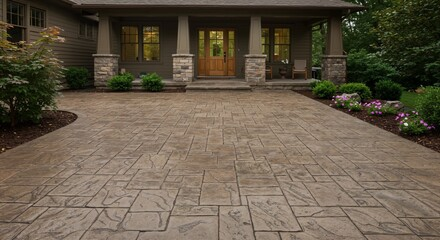
In many cases, a beautifully-designed concrete driveway or patio can increase the value of your home. It can also improve the accessibility of your property and provide a safe path for family members and guests to move around.

Decorative concrete has become an increasingly popular way to transform outdoor spaces. Visit https://decorativeconcretesolutions.biz/ for more details.

It’s Versatile

Concrete is a highly versatile material. When used properly, it provides structural function to buildings while enhancing aesthetics in walkways, patios, driveways and walls. Its versatility shines through a multitude of color and texture options, including earth-toned stains that mimic Texas limestone or patterns that emulate brick for rustic style. Its durability withstands freeze-thaw cycles and heavy traffic, lasting for decades with minimal maintenance. Its design flexibility includes the ability to create unique shapes, sizes and textures with stamping and carving techniques as well as slip-resistant surfaces for a safe outdoor experience.

Whether you are installing a new patio, resurfacing your front sidewalk, or updating your garage floor, decorative concrete is an affordable option that can boost your home?s curb appeal and add value for years to come. By hiring a contractor with expertise in the many styles of concrete and finish options available, you can avoid costly mistakes that might detract from the beauty of your new investment.

Driveways are a key feature of the exterior of any house and often make the first impression on guests. A dingy, cracked concrete driveway can diminish the overall look of a property and leave visitors with an unfavorable first impression. In contrast, a new concrete driveway with a distinctive pattern and color can improve the look of a house while adding resale value.

Concrete is also an ideal flooring option in the laundry room, garage, kitchen, and living room. Its natural gray color complements any design scheme and it does not absorb odors or moisture like carpet, making it the perfect flooring choice for these rooms. It also resists stains and is easy to clean.

Decorative concrete can be added to existing concrete or poured in place to create the desired style. It can also be stained or etched to achieve the desired appearance. It can be textured to add grip, which is important in areas of high foot traffic or wet conditions. Using slip-resistant textures or sealants is an easy way to upgrade any concrete surface to prevent accidents and injuries.

It’s Durable

Concrete is one of the most durable materials around. When treated properly, it can last for decades and retain its integrity and attractiveness over the years. This durability makes decorative concrete an excellent choice for projects in areas with heavy foot and vehicular traffic, such as driveways, patios, pool decks and more. It also holds up to weather extremes, including harsh winds and precipitation, much more effectively than other materials like wood.

Often, when it comes to decorating and coloring concrete, people assume that they are trading off strength for style. However, a new concrete surface made using decorative techniques is usually as strong as the original concrete, or even stronger when reinforced with additives like steel fibers and high-grade aggregates.

With so many options for color and texture, it is easy to create a unique, beautiful look with decorative concrete. The possibilities are endless and include acid staining, water-based stains, concrete dyes and integral colors (color mixed into the concrete during the mixing process). Decorative concrete can be used to create textures and patterns that complement various architectural styles as well. For example, exposed aggregate concrete is perfect for rustic or farmhouse-style homes and stamped concrete that is colored to resemble stone works well with ranch or country-style properties.

In addition, a quality sealer can help protect the surface of decorative concrete from wear and tear, making it resistant to oil and chemical stains. Sealers can be applied as a penetrating or film-forming coating. Acrylic sealers tend to act as a surface barrier, while epoxy and polyurethane sealers are more effective at forming a deep protective layer that can withstand severe weather conditions.

A well-designed concrete patio, sidewalk or front stoop can make your home stand out in the neighborhood and boost its resale value. Upgrading your concrete with one of these stylish ideas can be a low-cost and long-lasting investment that will instantly elevate your home?s curb appeal. When a prospective buyer walks up to your house, you want their first impression to be a positive one. Upgrading your concrete with these decorative concrete ideas will ensure that happens.

It’s Affordable

A well-maintained decorative concrete driveway, walkway, or entryway will set your home apart and boost its resale value. In fact, a real estate site recently reported that homes with attractive exteriors sell for more than those that have a rundown look. A new or resurfaced concrete driveway, sidewalk, or entryway can cost less than asphalt, yet provide an impressive curb appeal that instantly draws attention to your property.

Budget-friendly concrete upgrades include decorative stamping, etching, and staining. Staining is especially cost-effective because it provides rich color tones ranging from subtle earth tones to bold hues. When choosing a stain, look for colors that complement your home?s paint, as well as the surrounding landscape and neighborhood architecture. Water-based stains are more affordable than acrylic or vinyl coatings, but may require touch-ups over time.

New planting beds and landscaping can make a big impact on your home?s appearance. Choose a palette of colors that complement the existing color scheme of your house, and plant colorful shrubs or perennial flowers around your mailbox and driveway for curb appeal on a shoestring.

Walkways and steps that are cracked or outdated create a poor first impression and can be a safety hazard for visitors. Transform these features with a stylish, durable decorative concrete design that will enhance the beauty of your property and improve its functionality.

A new trellis or arbor can be an elegant backdrop for blooming vines, and it will help you save on expensive flower or vegetable garden fencing. Decorative fence panels are also inexpensive, and available in prefabricated sections that are easy to assemble.

Address numbers, mailboxes, and locksets are small upgrades that can make a big difference in your home?s overall appearance. When selecting finishes, choose those that complement the colors already used on your home, and keep the number of pieces to a minimum to avoid a cluttered look.

Adding curb appeal to your property can be as simple as a fresh coat of paint on your doors or trim, or as complex as a decorative concrete driveway or patio. By carefully planning and executing your project, you can achieve beautiful results that will last for years to come. By taking the time to test your stains or colors and work efficiently, you can complete many of these projects in one day or weekend, while saving money on costly fixes later on.

It’s Easy to Maintain

The beauty of decorative concrete extends to outdoor surfaces like patios, walkways, and front stoops. The best way to keep these upgrades looking fresh is with regular maintenance that includes cleaning, sweeping, dust mopping, and, if needed, waxing or resealing. Choose a cleaning product that is appropriate for your type of concrete surface and follow the manufacturer?s instructions for best results. A clear sealer is recommended for high-traffic areas to protect the concrete from the elements and make it easier to clean.

Upgrading a plain concrete walkway with a new stamped or stained pattern is an affordable curb appeal idea. It also adds value to your home. But be sure to review color, pattern, and texture choices that complement your architecture and landscape style. If you opt for a walkway design that does not suit the architectural character of your home, it may detract rather than enhance its appearance.

Adding brick pavers to a stoops or front entryway gives your home a classic look and adds texture to your landscaping. If you prefer a cleaner, more modern aesthetic, consider a stamped concrete path that mimics slate. These types of textures and colors are a great complement to contemporary homes.

A freshly painted porch floor or front stoop is another low-cost upgrade that is easily maintainable and adds curb appeal to your home. Be sure to use weather-resistant paint rated for exterior use. Choose a color that complements your siding, trim, and door color to ensure the finish will stand up well to rain and sun.

Address numbers, entry door locksets, and wall-mounted mailboxes are small curb appeal ideas that can make a big impact. They work best when they are cohesive, with matching finishes that convey a sense of consistency and sophistication.

A trellis can elevate your garden by offering support for flowering vines and providing shape to the area around your house. You can even train a plant to grow up the side of a garage or shed for a beautiful living wall.