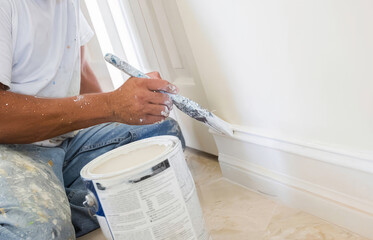
Residential Painting Options: A Complete Guide to Colors, Finishes, and Techniques

painting

A fresh coat of paint can make a familiar home feel completely new. Without replacing furniture, tearing down walls, or committing to a major renovation, residential painting can brighten dark rooms, improve curb appeal, protect valuable surfaces, and give each space a more intentional personality. The challenge is that painting involves more choices than simply selecting a favorite color. Homeowners must also consider paint type, finish, durability, surface preparation, application method, and long-term maintenance.

Understanding the available residential painting options makes it easier to create a home that looks attractive and functions well. The best option for one room may not work for another because moisture, sunlight, traffic, and cleaning requirements vary throughout a property. By considering these conditions before painting begins, homeowners can achieve results that remain beautiful for years. Contact Stellar Painting & Remodeling for more information.

Interior Painting Options for Different Rooms

Interior painting is one of the most accessible ways to refresh a residential space. It can make small rooms feel more open, give large rooms a sense of warmth, and create a consistent design throughout the home. However, every room has different practical requirements.

Living rooms and bedrooms usually allow the greatest flexibility. Since these spaces are generally dry and experience moderate traffic, homeowners can focus primarily on color, atmosphere, and personal style. Soft neutrals can create a calm and timeless appearance, while deeper colors may provide drama and visual depth. Accent walls can also introduce bold color without overwhelming the entire space.

Kitchens require paint that can withstand grease, cooking residue, heat, and frequent cleaning. Bathrooms present similar concerns because steam and humidity can contribute to peeling, staining, and mildew. Paint products designed for moisture resistance are typically better choices for these areas.

Hallways, entryways, children’s rooms, and family rooms often receive more contact than quieter areas. Walls in these spaces may be touched, bumped, or marked regularly. A durable and washable paint can make routine maintenance easier while preserving the room’s appearance.

Ceiling paint is another important interior option. Flat white remains common because it reflects light and hides minor surface imperfections. However, ceilings do not have to be white. A ceiling painted in a soft coordinating color can make a room feel more cohesive, while a dark ceiling may create an intimate and sophisticated effect in a larger space.

Exterior Painting Options for Lasting Protection

Exterior painting has both decorative and protective purposes. It gives the property a finished appearance while helping shield siding, trim, doors, and other surfaces from moisture, sunlight, temperature changes, and general wear.

The right exterior paint depends heavily on the material being covered. Wood siding needs a flexible coating that can tolerate expansion and contraction. Masonry surfaces may require breathable paint that allows trapped moisture to escape. Metal surfaces often benefit from rust-resistant primers and coatings, while vinyl siding needs paint that can adhere properly without causing heat-related damage.

Color selection also plays a major role in exterior painting. Light colors can make a house appear larger and more traditional, while dark colors create contrast and a contemporary look. Trim, doors, shutters, and architectural details can be painted in complementary or contrasting shades to emphasize the structure’s design.

Environmental exposure should always influence the final decision. Areas receiving intense sunlight may experience faster fading, particularly with certain vibrant colors. Shaded or damp sections may be more vulnerable to mold, mildew, or algae. High-quality exterior coatings formulated for local conditions tend to provide better adhesion, color retention, and resistance to weathering.

Exterior painting also requires careful timing. Paint needs suitable temperature and moisture conditions to cure correctly. Painting during extreme heat, cold, high humidity, or wet weather can lead to uneven drying, poor adhesion, bubbling, or premature peeling.

Understanding Residential Paint Types

Water-based paint is one of the most widely used residential options. It dries relatively quickly, produces less noticeable odor than many traditional alternatives, and can usually be cleaned with soap and water. Modern water-based formulas provide good durability and are suitable for walls, ceilings, siding, and many other household surfaces.

Oil-based paint offers a smooth, hard finish and has historically been used for doors, cabinets, trim, and other surfaces that receive frequent handling. It levels well during application, which can reduce the appearance of brush marks. However, it generally takes longer to dry, has a stronger odor, and requires appropriate solvents for cleanup.

Acrylic paint is known for flexibility, adhesion, and color retention. It is frequently used for exterior projects because it can perform well under changing weather conditions. Acrylic formulas are also available for interior use, particularly where durability is a priority.

Specialty coatings address more specific needs. Moisture-resistant paint is useful in kitchens, bathrooms, and laundry areas. Stain-blocking products help cover watermarks, smoke residue, ink, and other discoloration. Low-odor and low-emission formulas may be preferred in occupied homes, especially when ventilation is limited. Floor coatings provide additional resistance to foot traffic, abrasion, chemicals, and spills.

Primer is not technically a finishing paint, but it is an essential part of many residential painting projects. It creates a stable foundation, improves adhesion, covers stains, and helps produce consistent color. Primer is particularly useful on bare materials, repaired sections, glossy surfaces, porous walls, and dramatic color changes.

Choosing the Right Paint Finish

Paint finish refers to the amount of light reflected from a painted surface. It affects not only appearance but also durability, washability, and the visibility of imperfections.

Flat paint has very little shine and creates a smooth, muted appearance. It is effective at disguising dents, patches, and uneven texture, making it a popular option for ceilings and low-traffic rooms. Its main limitation is that it may be more difficult to clean without leaving visible marks.

Matte paint is similar to flat paint but may offer slightly greater durability, depending on the formula. It creates a sophisticated appearance that works well in bedrooms, living rooms, dining spaces, and home offices.

Eggshell paint has a subtle sheen that provides a balance between elegance and practicality. It is more washable than most flat finishes and is often chosen for living areas, hallways, and bedrooms. Satin paint has a more noticeable glow and greater moisture resistance, making it suitable for kitchens, bathrooms, family rooms, and high-traffic spaces.

Semi-gloss paint reflects more light and creates a durable, easy-to-clean surface. It is commonly used on doors, baseboards, window frames, cabinets, and other detailed areas. Gloss paint provides the highest level of shine and can produce a striking finish, but it also emphasizes dents, brush marks, and surface irregularities. Careful preparation is especially important when using a glossy coating.

Decorative Painting Techniques and Creative Options

Residential painting does not have to involve covering every wall with one solid color. Decorative techniques can introduce texture, dimension, contrast, and visual interest.

Color blocking uses two or more colors to define areas or create geometric effects. It can help separate functions in an open room, highlight architectural features, or give a plain wall a modern identity. Painted arches and framed color sections can create focal points around beds, desks, shelves, or seating areas.

Two-tone walls provide another versatile option. A darker color may be used on the lower portion of the wall, with a lighter shade above it. This approach can add depth while helping a room maintain a balanced appearance. Chair rails or other molding can create a natural dividing line between the colors.

Textured painting techniques can give walls more character. Sponging, rag rolling, lime-style finishes, and color washing produce layered visual effects that cannot be achieved with a standard solid coat. These techniques require skill and patience because inconsistent application can make the result appear unfinished.

Murals and hand-painted details provide nearly unlimited creative freedom. They can transform children’s rooms, reading areas, stairwells, or feature walls into personalized spaces. Stencils offer a more structured way to add repeated patterns, borders, or decorative motifs.

Cabinet painting is another popular option for changing a room without replacing existing fixtures. Proper cleaning, sanding, priming, and curing are critical because cabinets receive frequent contact and must resist oils, moisture, and cleaning products.

Selecting Residential Paint Colors

Color can influence how a room feels, even when its dimensions and furnishings remain unchanged. Light shades generally make spaces feel brighter and more open, while dark colors can create warmth, intimacy, and definition.

Natural light affects the way paint appears throughout the day. A color may look warm in morning sunlight but cooler under artificial lighting at night. Testing samples on more than one wall helps reveal how the color responds to changing conditions.

Existing materials should also guide color selection. Flooring, countertops, cabinets, furniture, stonework, and fabrics may contain warm, cool, or neutral undertones. Choosing paint with compatible undertones helps the entire space feel connected.

Homeowners do not need to use the same shade in every room to create consistency. A coordinated palette can include several related colors with similar undertones. Transitions between connecting spaces should be considered carefully, particularly in open floor plans where multiple rooms are visible at once.

Personal preference remains important. Current color trends may provide inspiration, but the most successful residential palette is one that suits the home’s architecture, lighting, daily use, and desired atmosphere.

Surface Preparation and Application Methods

Even premium paint cannot compensate for poor preparation. Walls and exterior surfaces should be clean, dry, stable, and free of peeling material before painting begins. Cracks, holes, gaps, and damaged sections should be repaired to create an even foundation.

Sanding helps smooth patched areas and improves adhesion on glossy surfaces. Cleaning removes dust, oils, soap residue, and other contaminants that could prevent paint from bonding. Caulking may be needed around trim, windows, doors, and joints to produce clean lines and reduce moisture entry.

Brushes are useful for edges, corners, trim, and detailed work. Rollers cover large flat areas efficiently and can create a consistent texture when used correctly. Sprayers provide fast, even coverage on suitable surfaces, but they require careful masking and control to prevent overspray.

The number of coats depends on the product, surface condition, application method, and color change. Dark colors painted over with light shades often need additional coverage. Allowing each coat to dry properly reduces the risk of streaks, lifting, and uneven texture.

Final Thoughts

Residential painting offers options for nearly every design goal, surface type, and maintenance requirement. Homeowners can choose subtle interior updates, durable exterior protection, decorative finishes, bold accent colors, or complete transformations. The key is to match the paint type, finish, preparation process, and application method to the demands of each surface.

A thoughtful painting project improves more than appearance. It can protect important materials, simplify cleaning, influence the atmosphere of a room, and help the entire home feel more cohesive. With careful planning and suitable products, residential painting can deliver a meaningful transformation without the cost or disruption of a major renovation.
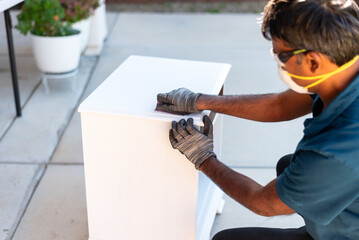
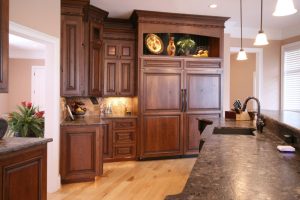
What Is Cabinet Refinishing? Everything You Need to Know

Cabinet Refinishing

What if you could completely transform the look of your kitchen or bathroom without replacing your cabinets? Many homeowners are surprised to learn that beautiful, updated cabinets do not always require a full renovation. Over time, cabinets can become dull, scratched, or outdated, making an entire room feel worn. Cabinet refinishing offers a practical solution that restores their appearance while preserving the existing cabinet structure, making it one of the most popular home improvement options.

Understanding San Jose Cabinet Refinishing can help homeowners decide whether it is the right choice for their space. Instead of investing in brand new cabinets, refinishing focuses on renewing the surfaces you already have. With proper preparation and quality materials, refinished cabinets can look refreshed, stylish, and durable for many years. Whether your goal is to modernize your home or simply restore the beauty of your cabinetry, cabinet refinishing is a smart option worth considering.

What Is Cabinet Refinishing?

Cabinet refinishing is the process of restoring the appearance of existing cabinets by removing or preparing the old finish and applying a new stain, paint, or protective coating. Rather than replacing the cabinet boxes and doors, refinishing works with the cabinets already installed in the home. This allows homeowners to improve the overall look of their space while keeping the original cabinet structure intact. The process focuses on enhancing the surface rather than rebuilding the cabinets from scratch. It is an excellent choice for cabinets that remain structurally sound but have become worn or outdated over time.

Many people confuse cabinet refinishing with cabinet refacing, but the two are different. Refinishing improves the existing cabinet surfaces, while refacing typically involves replacing the cabinet doors and applying new coverings to the cabinet frames. Refinishing is often chosen because it preserves more of the original materials while providing a refreshed appearance. It also offers flexibility in selecting new colors or wood tones that better match changing design preferences. For homeowners looking for an updated appearance without major construction, refinishing can be an ideal solution.

How the Cabinet Refinishing Process Works

The cabinet refinishing process begins with a careful inspection of the cabinets to determine their condition. Cabinets with solid construction and only cosmetic wear are usually excellent candidates for refinishing. Before any new finish is applied, every surface is cleaned thoroughly to remove grease, dirt, and residue that may have accumulated over the years. Cabinet doors, drawers, and hardware are often removed to make the refinishing process more precise and efficient. Proper preparation lays the foundation for a smooth and durable finish.

Once the cabinets are cleaned, sanding or surface preparation begins to remove the existing finish and create a surface that allows the new coating to bond effectively. Any small imperfections, such as scratches or dents, can also be repaired during this stage. After preparation is complete, paint or stain is carefully applied in multiple thin coats to achieve an even appearance. Finally, a protective topcoat helps shield the cabinets from moisture, scratches, and daily wear. Every step contributes to creating cabinets that look refreshed and remain durable over time.

Benefits of Cabinet Refinishing

One of the biggest benefits of cabinet refinishing is its ability to dramatically improve the appearance of a room without replacing the cabinets. Because cabinets occupy a large portion of the visual space in kitchens and bathrooms, updating their finish can make the entire room feel brighter, cleaner, and more modern. Homeowners can select from a wide variety of colors, stains, and finishes to create a style that reflects their personal preferences. This flexibility allows for both classic and contemporary designs without changing the cabinet layout.

Cabinet refinishing is also an environmentally friendly option because it reduces the amount of material that ends up as construction waste. Instead of discarding cabinets that are still structurally sound, refinishing extends their lifespan and gives them a fresh appearance. This approach conserves resources while minimizing unnecessary waste. In addition, refinishing projects are generally completed more quickly than full cabinet replacement, allowing homeowners to enjoy their updated space sooner. These advantages make refinishing an appealing option for many home improvement projects.

Is Cabinet Refinishing Right for Your Cabinets?

Not every cabinet is a suitable candidate for refinishing, so evaluating their condition is an important first step. Cabinets made from solid wood or other durable materials often respond well to refinishing because their structure remains strong over time. If the cabinet boxes are sturdy and the doors function properly, refinishing may provide excellent results. Minor cosmetic issues such as faded finishes, scratches, or discoloration can usually be corrected during the refinishing process. These improvements restore the cabinets without requiring complete replacement.

However, cabinets with severe structural damage, extensive water damage, or broken components may require more than refinishing alone. In these situations, repairs or replacement may be necessary before cosmetic improvements can be made. A careful assessment helps determine the most appropriate solution based on the condition of the cabinetry. Understanding the difference between cosmetic wear and structural damage allows homeowners to make informed decisions. Choosing the right approach helps ensure the best long term results.

Choosing the Perfect Finish for Your Cabinets

Selecting the right finish is one of the most exciting parts of cabinet refinishing. Homeowners can choose painted finishes for a clean and modern appearance or wood stains that highlight the natural grain of the cabinets. Light colors often create an open and airy feeling, while darker shades bring warmth and sophistication to the room. The choice of finish can significantly influence the overall atmosphere of the space. Matching the cabinet finish with countertops, flooring, and other design elements creates a balanced and attractive interior.

The protective coating applied after painting or staining is equally important because it helps preserve the beauty of the cabinets. Durable topcoats resist scratches, moisture, and everyday wear, allowing the finish to maintain its appearance for years. Different sheen levels, such as satin or semi gloss, offer varying levels of shine and ease of cleaning. Choosing the right combination of color and protective finish ensures both visual appeal and long lasting performance. Careful selection helps homeowners enjoy beautiful cabinets with minimal maintenance.

How to Keep Refinished Cabinets Looking Their Best

Once cabinets have been refinished, proper maintenance helps preserve their updated appearance. Cleaning the cabinets regularly with a soft cloth and gentle cleaning products removes dust, fingerprints, and cooking residue without damaging the finish. Harsh chemicals and abrasive scrubbers should be avoided because they may wear away the protective coating over time. Promptly wiping up spills also prevents moisture from affecting the cabinet surface. Consistent care keeps refinished cabinets looking fresh and attractive.

It is also helpful to inspect cabinets occasionally for minor scratches or chips that may develop with regular use. Addressing small issues early helps prevent larger problems and extends the lifespan of the finish. Gentle handling of cabinet doors and drawers also reduces unnecessary wear. By following simple maintenance habits, homeowners can enjoy the beauty of their refinished cabinets for many years. Routine care protects both the appearance and durability of the investment.

Final Thoughts

Cabinet refinishing is an excellent way to restore the beauty of existing cabinets without replacing them entirely. By renewing the surface with fresh paint or stain and applying a durable protective finish, homeowners can dramatically improve the appearance of their kitchens, bathrooms, and other living spaces. The process is well suited for cabinets that remain structurally sound but have become worn or outdated over time. With proper preparation, quality materials, and regular maintenance, refinished cabinets can continue looking beautiful for many years. If you are looking for an affordable and effective way to refresh your home, cabinet refinishing is a practical solution that offers lasting value and timeless appeal.

Layers of Renewal: The Art and Impact of Cabinet Refinishing in Modern Spaces

A fresh surface can transform the heart of a room. Cabinet refinishing is more than a design choice; it is a process that blends artistry, craftsmanship, and sustainability into one purposeful act. It revives spaces without the heavy costs and waste of complete replacements, offering both aesthetic appeal and environmental responsibility. This practice is a quiet revolution in how people reimagine and personalize their living spaces.

Cabinet Refinishing

At its core, cabinet refinishing is about restoration and reinvention. Instead of tearing out existing structures, it focuses on renewing their surfaces through cleaning, sanding, staining, painting, or sealing. This method breathes new life into old cabinets while preserving their foundational strength. It allows homeowners to update their interiors without discarding functional materials, a decision that benefits both their budget and the planet.

The process is as much about vision as it is about technique. It starts with evaluating the condition of the cabinets—assessing wear, damage, and the type of material involved. From there, decisions are made about finishes, colors, and textures that align with the desired look and feel. Each choice is an opportunity to express personality and style while adapting to current design trends or timeless aesthetics.

Cabinet refinishing has become increasingly popular due to its transformative power. A dated kitchen or worn storage unit can feel brand new with the right refinishing approach. Changing the color scheme, updating the hardware, or introducing a new texture can completely alter a room’s atmosphere. The result is a refreshed environment that reflects evolving tastes and modern sensibilities without the disruption of a full renovation.

Sustainability is another significant reason for the growing appeal of refinishing. By working with existing materials, the process reduces waste and minimizes the environmental impact associated with manufacturing and transporting new cabinetry. This approach supports eco-conscious living without compromising on design aspirations. In a world increasingly focused on resource conservation, refinishing offers a responsible alternative that aligns beauty with sustainability.

One of the most remarkable aspects of cabinet refinishing is its versatility. It suits a wide range of spaces, from kitchens and bathrooms to offices and storage areas. It can enhance traditional wooden cabinetry, modern laminated finishes, or even mixed-material designs. This adaptability ensures that almost any cabinet can be transformed to match new functional needs or evolving aesthetic preferences.

The craft also demands precision and skill. Proper preparation, including cleaning and sanding, is crucial to ensure the new finish adheres well and lasts for years. The application of stains, paints, or sealants must be even and deliberate to achieve a professional-quality result. Attention to detail during the final stages, such as polishing and hardware installation, can make the difference between a simple refresh and a stunning transformation.

The psychological impact of cabinet refinishing is often underestimated. People spend significant time in kitchens, offices, and living areas, and the look of these spaces influences their mood and productivity. Freshly refinished cabinets can make a space feel brighter, cleaner, and more welcoming. This improvement in environment often translates to improved well-being, reinforcing the value of investing in thoughtful design updates.

Economics also play a major role in the appeal of refinishing. Full cabinet replacement can be costly and time-consuming, involving demolition, construction, and new installations. Refinishing, by contrast, offers dramatic results at a fraction of the cost and with significantly less disruption. For many, it strikes the perfect balance between affordability and impact, delivering a high return on investment in terms of both property value and daily satisfaction.

The trends shaping cabinet refinishing continue to evolve with design culture. Minimalist approaches emphasize clean lines and muted tones, while bold color choices and textured finishes make striking statements. Matte surfaces, distressed looks, and natural wood grains are all popular ways to personalize a space. Each trend demonstrates how refinishing can adapt to contemporary tastes while remaining timeless in its appeal.

Advancements in materials and techniques are pushing the boundaries of what refinishing can achieve. Durable, low-VOC finishes enhance longevity while reducing environmental impact. Innovative coatings resist scratches, moisture, and UV damage, ensuring that refinished cabinets maintain their beauty for years. These innovations make refinishing a long-term solution, not just a temporary upgrade.

Refinishing also encourages creativity and experimentation. Some choose to blend finishes, combining painted sections with exposed wood for contrast. Others incorporate decorative techniques like glazing, antiquing, or two-tone color schemes to add depth and character. These artistic touches make each project unique, turning cabinetry into a focal point rather than a background element.

The emotional satisfaction of refinishing should not be overlooked. There is a deep sense of accomplishment in restoring something rather than discarding it. For many, the process becomes a personal project—a reflection of care, effort, and intention. The finished result carries a story of transformation, one that speaks to both creativity and resourcefulness.

In commercial spaces, cabinet refinishing offers practical advantages as well. Businesses can update interiors without long closures or high renovation costs. Retail stores, offices, and hospitality venues benefit from refreshed appearances that enhance customer experience and brand perception. This strategic investment can strengthen identity and competitiveness in an increasingly design-conscious marketplace.

As awareness of sustainable living grows, cabinet refinishing is likely to become an even more important design solution. It embodies principles of reuse and resourcefulness, showing that innovation does not always require starting from scratch. The approach aligns with broader movements toward circular economies, where existing materials are continually adapted and improved rather than discarded.

Future developments may introduce even more eco-friendly finishes, faster curing technologies, and automated application methods. These innovations will make refinishing more efficient, durable, and accessible to a wider audience. They will also expand the creative possibilities, allowing homeowners and designers to push beyond conventional styles.

In a world often obsessed with the new, cabinet refinishing stands as a reminder that renewal can be just as powerful as replacement. It is a practice that honors the value of what already exists while embracing the potential for transformation. Each brushstroke, stain, or seal is an act of reinvention that connects craftsmanship with creativity and sustainability.

Ultimately, cabinet refinishing is about more than updating furniture. It is about shaping environments that reflect changing lives, evolving identities, and deeper values. It is a practice that combines practicality with artistry, tradition with innovation, and function with beauty. In doing so, it offers a pathway to spaces that are not only more attractive but also more meaningful.

As homes and businesses continue to evolve, the significance of cabinet refinishing will only grow. It is a timeless craft with modern relevance, capable of adapting to future demands while staying true to its essence. In every refinished cabinet lies a story of renewal—a story that proves transformation is not just about replacing what is old but about revealing the potential that has always been there.